
Benefits:
Chosen Faculty Fellows will receive a $3,000-$5,000 stipend to support their research and scholarly work. In addition, Fellows will have access to the resources and faculty affiliates of the Center for Design + Health, and will be encouraged to actively participate in the academic life of the UVA School of Architecture.
The next round of fellowships will begin in Fall 2023, and extend for a calendar year (though in certain cases a one semester fellowship period is a possibility). During that time, Fellows will be expected to interact and collaborate with relevant faculty in the Architecture School and to participate in the intellectual and scholarly life of the Center and School. Fellows will be expected to give at least one lecture or organize one colloquium about their research during the period of the fellowship.
Eligibility:
Full time faculty members or PhD scholars in any department or school at the University of Virginia, and qualified external faculty are eligible. One fellowship will be awarded for 2023-24. This will be chosen based on the applicant's potential to make a significant and unique contribution to the intersection of health and design in relation to current projects and activities.
Application Requirements:
Applications should include the following:
- Personal Statement describing current and future work and how the Fellowship will help to advance this work
- List of potential collaborators in the School of Architecture
- Proposed budget
- Letter of support from your Department Chair or School Dean
- Up-to-date copy of your Curriculum Vitae
Evaluation Criteria:
- Quality, clarity and focus of research proposal in relation to forwarding the agenda on healthy place making
- Comprehensive proposal including full budget, clear and rigorous methodology, and realistic completion date for the research
- Significant potential for future publication and public lecture upon completion
- Significant potential to progress the research for additional grant funding.
APPLICATIONS ARE DUE summer 2024
Applicants will be notified by end summer 2024
Send application materials to:
Jenny Roe, jjr4b@virginia.edu
text
text
Martin, D and Roe, J. Enabling Care: Maggie’s Centres and the Architecture of Hope, Health and Place, special issue, The Cultural Contours of Care: Porosities, Reciprocities and Values, published online 14 February 2022, 102758
Roe, J, Blythe, M, Oliver, C., Roe, A. Older people’s everyday ‘well-doings’ and the restorative niches that support them, Wellbeing, Place and Society, 2022, Vol 3, 100072
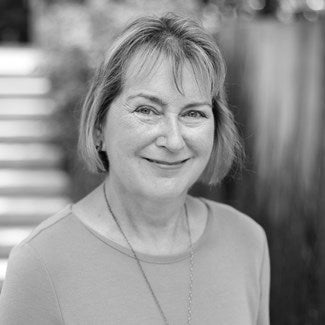
Jenny Roe
Former Director of the Center for Design + Health
Jenny Roe is the Mary Irene DeShong Emerita Professor of Design and Health and the Former Director of the Center of Design and Health with a multi-disciplinary background in the humanities, design and environmental psychology. She is the former Senior Research Leader in Human Wellbeing and Behaviour Change for the Stockholm Environment Institute (SEI) where she worked with environmental scientists and health professionals to explore how best to build sustainable, resilient and healthy cities.
Jenny is a Landscape Architect and Environmental Psychologist who explores the interactions between people and their environment. She is a specialist researcher in restorative environments and places that actively improve our health, such as high quality urban parks, water settings, and well designed buildings with good daylight. She has built a reputation for pioneering innovative methods in disadvantaged communities in order to quantify the health benefits of good neighborhood design and green space, using physiological indicators such as cortisol – the stress hormone – and mobile Electroencephalography (EEG) to explore emotional activity on the move.
Prior to her current career in academia, she was Principal Landscape Architect in a multi-disciplinary architectural practice in London called Sprunt specializing in social housing, educational and healthcare design. Access to all her publications, blog postings and films can be found at jennyjroe.com.
PLEASE NOTE: THE CENTER FOR DESIGN AND HEALTH IS CURRENTLY TRANSITIONING LEADERSHIP FOLLOWING FORMER DIRECTOR JENNY ROE'S RETIREMENT.
STAY TUNED FOR MORE DETAILS FORTHCOMING.
|
Image
|
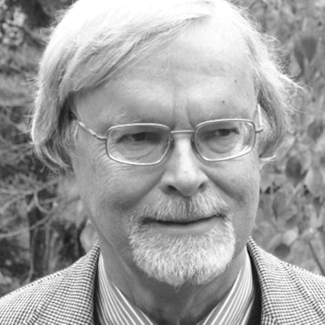
REUBEN Rainey
Co-Director of the Center for Design and Health
Reuben M. Rainey, Ph.D., is William Stone Weedon Professor Emeritus in the School of Architecture, where he has taught for 40 years. His present courses focus on the design of various types of healthcare facilities. He is the Co-Director of the School of Architecture’s Center for Design and Health and has engaged in a number of research projects centering on the design of patient-centered medical facilities and healthy neighborhoods and cities. A former professor of religious studies at Columbia University and Middlebury College, he entered the field of landscape architecture in mid-career. His publications cover a wide range of topics, including 19th and 20th century urban parks and the work of 20th-century American landscape architects. His co-authored book on the garden of the Harlem Renaissance poet Anne Spencer received an honor award from the American Society of Landscape Architects. A documentary filmmaker as well, he co-produced the PBS series GardenStory, depicting the way gardens improve the lives of individuals and their communities. A recipient of five teaching awards, he is also a member of the Council of Fellows of the American Society of Landscape Architects. He is the co-author of Architecture as Medicine, a critique of the design features of an innovative cancer hospital at the University of Florida, Gainesville. His current research focuses on the use of art in healthcare facilities to reduce stress and the design of spaces for worship and meditation in acute care hospitals. He was awarded the 2019 Distinguished Alumni Award by the UVA School of Architecture.
|
Image
|
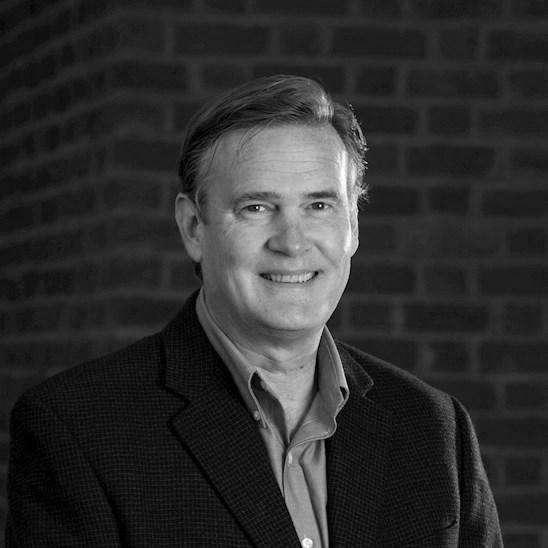
TIM Beatley
Senior Director of the Center for Design and Health
Timothy Beatley is the Teresa Heinz Professor of Sustainable Communities, in the Department of Urban and Environmental Planning, School of Architecture at the University of Virginia, where he has taught for the last twenty-five years. Much of Beatley’s work focuses on the subject of sustainable communities, and creative strategies by which cities and towns can fundamentally reduce their ecological footprints, while at the same time becoming more livable and equitable places. Beatley believes that sustainable and resilient cities represent our best hope for addressing today’s environmental challenges. He is the Founder and Executive Director of Biophilic Cities and the Senior Director of the Center for Design + Health.
|
Image
|
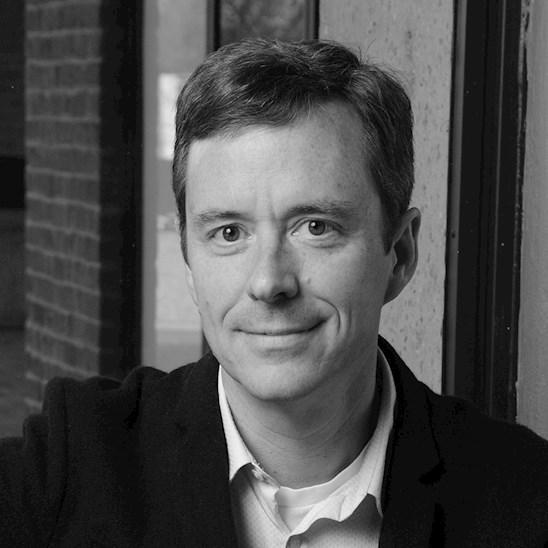
SCHAEFFER Somers
Associate Director of the Center for Design and Health
Schaeffer Somers is a registered architect and assistant professor in Architecture and Public Health at the University of Virginia. Schaeffer incorporates a human-centered approach in all of his research and teaching in the Schools of Architecture and Medicine. His current research focus in Architecture concerns the design of healthcare environments. His courses in Public Health Sciences explore evidence-based and collaborative research methods with the goal of creating a healthy, equitable and resilient future.
|
Image

|
Katie Stranix
Affiliated Researcher
Katie Stranix, AIA is a registered architect and Assistant Professor of Architecture at the University of Virginia. She is co-founder and principal of the design collaborative, Office of Things, and principal of Stranix Bachman Architects (XBA). Prior to joining UVA, she was a project architect at Studio Gang Architects, working on a variety of project types and scales and with a diverse range of designers, clients, programs, and sites.
Her practice, research, and teaching focus on the transformation and enrichment of everyday spaces within our shared built environment, identifying opportunities for the insertion of playful and inviting spaces that enhance the physical, mental, and social health of inhabitants. Her projects operate at multiple scales and explore how form, color, light, and sound impact the senses and heighten the human experience. Her work with Office of Things has received national and international recognition and has been featured prominently in design publications such as Architect’s Newspaper, Dezeen, Fast Company, Wallpaper, and New York Times Magazine. Her upcoming book with Routledge Publishing explores the design of restorative spaces in architecture, identifying elements, enclosures, and environments that through both aesthetics and affect act as a welcome foil to their surroundings.
LEARN ABOUT KATIE'S RECENT PROJECT, A REFLECTION ROOM, AT THE UVA STUDENT HEALTH + WELLNESS BUILDING
|
Image

|
JULIE Mollica
Affiliated Researcher
Julie is a PhD student in the Constructed Environment Program at the University of Virginia where she investigates the psychological and neurophysiological impacts of the built environment on stress.
|
Image
|
JAMES Barnes
Affiliated Researcher
James is a PhD candidate in the Constructed Environment Program at the University of Virginia where he investigates human engagement with biodiversity in the context of learning environments. His work responds to the trend of adolescence (and broader society) becoming increasingly disconnected from our surrounding, often declining ecosystems. Through a “More than Human” architectural frame that centers plants, he postulates that design-mediated plant ecologies could produce novel landscape possibilities that encourage positive trans-species interactions and support broader sustainability goals. His dissertation interrogates this through plant-based tactical urbanism installations at a 1:1 scale, situated in a K-5 schoolyard. This work draws from methods in horticulture, fabrication and computation, behavioral science, education, and entomology. James’s research is tangible and applied, aiming to shift landscape management paradigms through scalable interventions. Yet it also seeks to theoretically intertwine the practices of science & design through the neutral territory of plants.
|
Image
|
CHRIS Neale
Affiliated Research Fellow
Chris is experienced in undertaking various research projects looking to understand the impact of external factors on health and wellbeing outcomes. He brings experience and expertise in running research studies from lab settings to ‘real world’ settings in participant groups across the lifespan. He is also experienced in the administration of various technology, such as neuroimaging (fMRI, EEG) and/or tasks to understand health and wellbeing outcomes in participants.
Having completed his post-doctoral fellowship, Chris continues to collaborate with the Center for Design + Health from his current post as Lecturer in Psychology in the School of Human and Health Sciences at the University of Huddersfield in the United Kingdom.
Mental health is one of the most pressing global health challenges of the future, with depression identified as the second most debilitating disease worldwide (WHO, 2014). In addition, rising stress is national public health priority with 31 percent of Americans likely to suffer from a stress related problem at some point in their lifetime — the worst rate in the world (WHO, 2011). The Center is identifying how the built environment can be designed to improve mental wellbeing focusing on:
- Stress research: we have built a stress-environment research consortium to develop new national capacity to measure and understand the link between the built environment and stress mitigation, addressing gender, race, and income disparities.
- Brain health and aging: we are applying new technologies – such as mobile EEG – to understand how to improve cognitive health in older people by, for example, offering environments that improve mobility - in turn building grey brain matter - and increasing access to daylight which impacts on circadian efficiency, sleep and cognitive abilities.
- Design of mental health care facilities: the design of psychiatric hospitals and behavioral units is a vital – and neglected - area of research to advance, particularly in relation to child and adolescent wellbeing, a niche area of expertise within the Center.
- Psychiatric disorders: the Center brings valuable research expertise in how the built environment can be designed to alleviate specific mental health problems such as schizophrenia and autism.
Pod Project
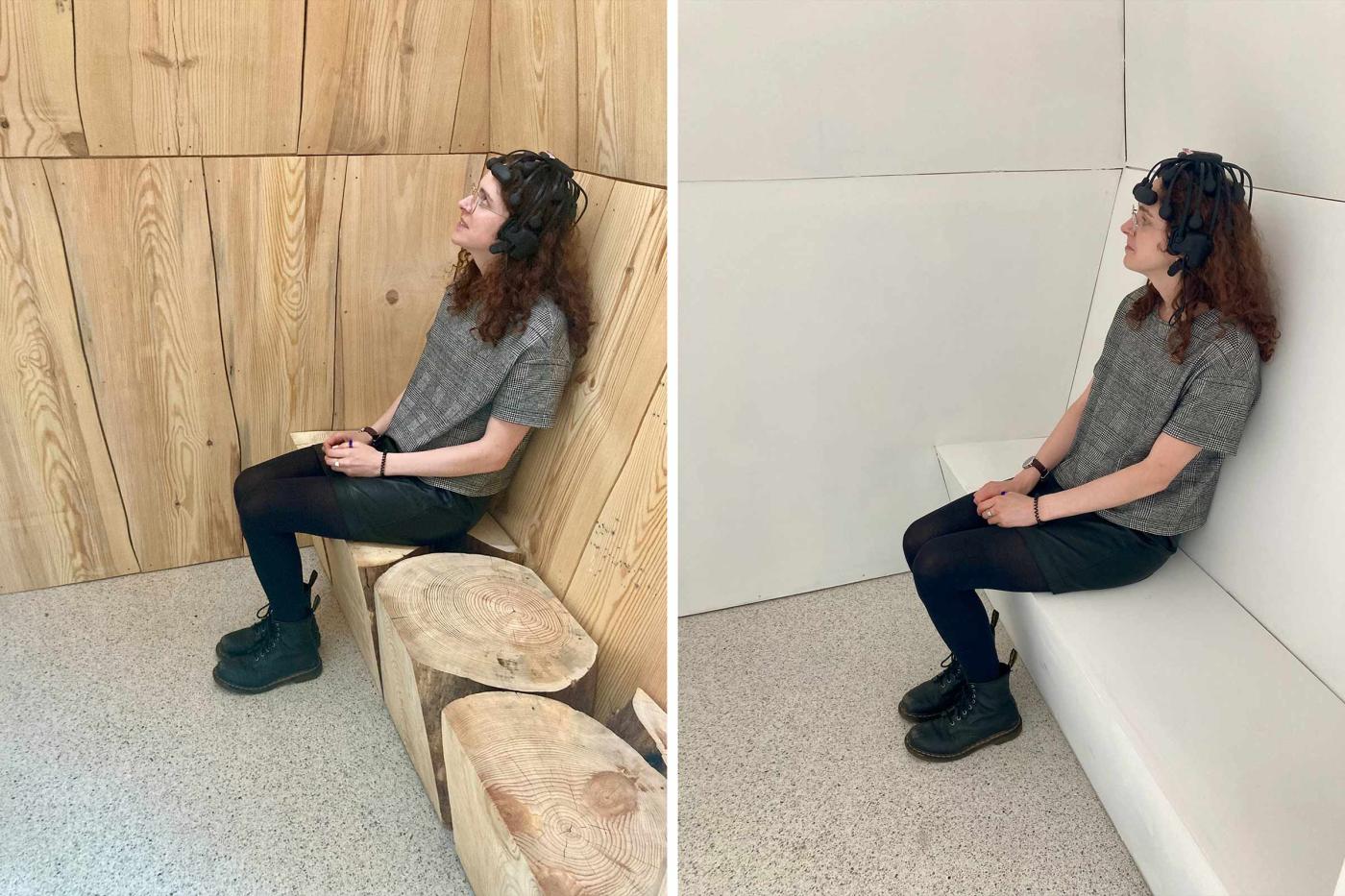
In response to the Climate Futures Design Research Challenge, Center Director, Jenny Roe, and Center Assistant, Julie Mollica, are working with a multidisciplinary team spanning the A-School, Psychology, and Education at the University of Virginia. A-School faculty members, Katie MacDonald and Kyle Schumann, designed and fabricated experimental study pods drawing inspiration from past projects. This study aims to understand the psychological and neurological impacts of biophilic biomaterials such as wood in inhabitable architectural ‘pod’ prototypes using self-report psychological assessments and EEG neuroimaging techniques. This research seeks to determine the impact of pod immersion on students' subjective mood, perceived connection to nature, and neural activity.
Funded by the Climate Futures Design Research Challenge.
CDH Project Lead:
Jenny Roe is the Director of the CDH
(Photos by Katie McDonald)
FOCUSED COPE: ENHANCING RESILIENCE AND EQUITY IN URBAN COASTAL COMMUNITIES THROUGH THE CO-GENERATION OF COMMUNITY CAPITALS (2022-2027)

This five-year research initiative will explore how to best design infrastructure to combat the impacts of climate change, sea level rise and storm water management in coastal communities in Norfolk currently at risk from flooding. A key strategy is co-creating the design of new resilient infrastructure with citizens and key stakeholders in Norfolk. The research will include a carefully controlled natural experiment -- led by Jenny Roe -- that will quantify the mental health benefits of a green space intervention designed to combat the impacts of climate change in Norfolk and foster community wellbeing.
Funded by the National Science Foundation Coastlines and People Hub for Research and Broadening Participation, award value $5 million.
CDH Project Lead:
Jenny Roe is the Director of the CDH
IMPACT OF URBAN WALKS ON HEALTH AND WELLBEING ACROSS THE LIFE SPAN (2020-2022)

This project brought together partners from the University of Virginia, Virginia Tech, and the Science Museum of Virginia to explore how environmental stressors (such as air and noise pollution and heat stress) and mitigating strategies -- such as increasing tree canopy and green space -- affect the health benefits of walking in urban settings across lifespan. It replicates our earlier ESME study showing a positive effect of urban green space on cognitive and emotional wellbeing in older peopled aged 65 plus.
This extension study engaged participants in three age groups (young, middle-aged, and older adults) who undertook short walks in both green and busy urban areas during Covid-19 (Summer 2020). Our study found that walking in urban green space improved stress regulation (as captured by heart rate variability and self-reported perceptions of stress) and improved emotional wellbeing, and thermal comfort whilst also accounting for the impact of air quality and temperature on these outcomes.
This grant was awarded to the University of Virginia and partners, and funded by the Integrated Translational Health Research Institute of Virginia) (iTHRIV) 2020 to 2022.
CDH Project Lead:
Jenny Roe is the Director of the CDH
THE EMOTIONAL, PHYSICAL, AND COGNITIVE BENEFITS OF PURPOSEFUL GREEN SPACE ACTIVITIES ON SENIORS (2021-2022)
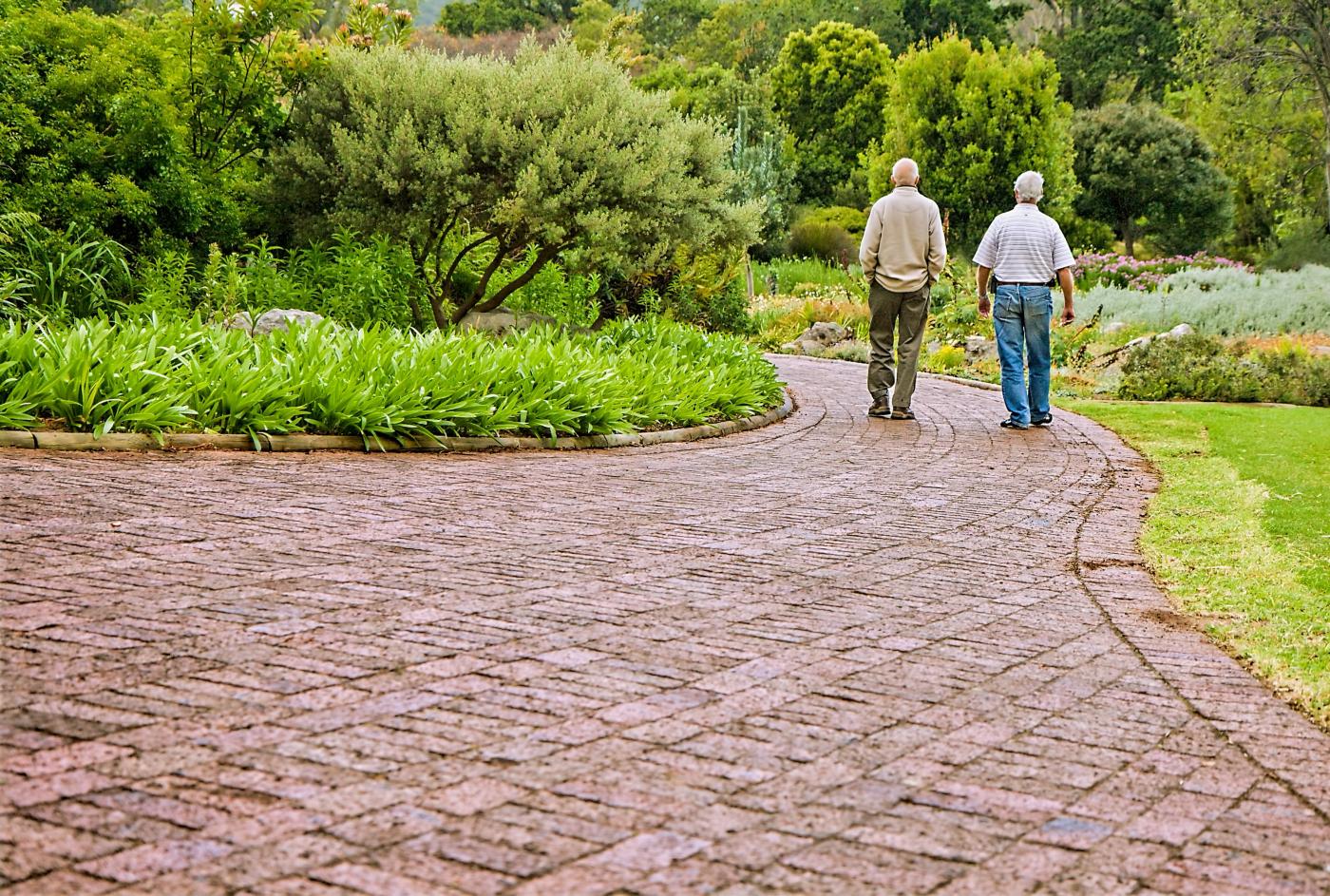
COVID-19 has had a severely detrimental impact on seniors across the globe. Older adults have suffered due to movement restrictions that have been detrimental to emotional, physical and cognitive health outcomes. During Covid-19, this project explored if different types of nature-based interventions could lead to improvements in emotional, physical and cognitive health outcomes amongst seniors. The three nature activities tested were: walking in nature (contemplative activity), engaging in physical planting (physical activity) and a citizen science-based activity (cerebral activity). Wellbeing outcomes include measures of physical activity, loneliness, belonging, working memory, psychological restoration and mood in seniors, aged 65+. Our study identified that all three interventions were beneficial to wellbeing in seniors and results will be published in 2023-2024.
Funded by iTHRIV (Translational Health Research Institute of Virginia) and the National Center for Advancing Translational Sciences (NCATS) of the National Institute of Health (NIH). Total Award Value: $40,000.
Partners:
iTHRIV, NCATS
CDH Project Lead:
Jenny Roe is the Director of the CDH
To find out more about the project contact Jenny Roe: jjr4b@virginia.edu
Coastlines and People (CoPe) Website is Now Live!
Center Director, Jenny Roe, is collaborating with a research team from the University of Virginia and Norfolk State University on an NSF project to explore the links between green space and health & wellbeing. This project involves focus group discussions with community members and a household survey to gauge residents’ access to and use of neighborhood parks in coastal Virginia.
More information can be found on the project website: https://www.urbanc5.org.

Center Director, Jenny Roe, featured in film recognized by Impact Docs Awards
Center Director, Jenny Roe, was among the experts featured in the new film, “What Design Can Do”, exploring how scientific evidence-based design supports health and wellbeing. The film, produced by Sarah Robinson and Sarah Williams Goldhagen, premiered at the Intentional Spaces Summit hosted by the International Arts + Minds Lab in DC in November 2023.
The film was recently recognized in 2024 with an Impact Docs Awards 2024 “Award of Excellence Special Mention” in the Documentary Short category.
The film is available to stream here: https://vimeo.com/897210803
NPR/VPM article “How Richmond noise pollution affects health”
Center Director, Jenny Roe, was recently interviewed by Ian Stewart to discuss the impact of noise pollution and air quality on health.
The interview is available here.
Inside Job podcast interview
Center Director, Jenny Roe, was a guest on the Inside Job podcast to discuss the critical role of urban design and infrastructure on mental health and wellbeing.
The interview is available on youtube.
NPR/VPM interview with Phil Liles on the mental health impacts of the built environment
VPM New Morning Edition Host Phil Liles spoke with Jenny Roe about the book she co-authored with Layla McCay, “Restorative Cities: Urban Design for Mental Health and Wellbeing”.
Read or listen to the interview here.