
What is the Next Cities Institute?
The most pressing global challenges - planetary urbanization and social justice, climate change and environmental degradation, and the accelerating transformation of information technologies - are fundamentally reshaping our cities and environments.
With an aim to forecast and shape the vital urbanism of this century, the Next Cities Institute develops projects that form a dynamic platform for design, policy and action focused on new forms of urban research. Led by the School of Architecture through a number of ongoing projects, and coalescing expertise throughout the University of Virginia, with partners in its Schools of Law, Leadership and Public Policy, Engineering, and Arts and Sciences, our projects tackle the complex inter-relationships between our growing cities and their impacts, such as resource allocations and consumption, territorial migrations and informal settlements, ecological fragility and resiliency. In studios, classrooms, labs and on-site, our students and faculty are inventing new spatial and infrastructural concepts and strategies with which to reimagine and redefine global urban futures
Director
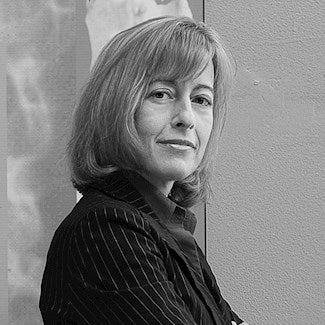
Ila Berman
Elwood R. Quesada Professor, Architecture
Ila Berman, DDes, is the Director of the Next Cities Institute and Elwood R. Quesada Professor in Architecture. She was Dean of the School of Architecture, and Edward E. Elson Professor at the University of Virginia from 2016 - 2021. She is an architect, theorist, and curator of architecture and urbanism whose research investigates the relationship between culture and the evolution of contemporary material, technological and spatial practices. She is a featured alumna of Harvard University’s Grounded Visionaries series and the recipient of numerous awards and fellowships including the Lieutenant Governor’s Medal for Design, Social Sciences and Humanities Research Council of Canada Fellowships, a Special Achievement Award from the American Institute of Architects (AIA) and the President’s Award for Excellence in Teaching from Tulane University, where she was a Favrot Professor, founding director of the URBANbuild program, and the Associate Dean of the School of Architecture until 2007. She has also held academic administrative appointments as the O’Donovan Director of the University of Waterloo School of Architecture, and the Director of the School of Architecture at CCA in San Francisco.
Next Cities Publication Series
Image
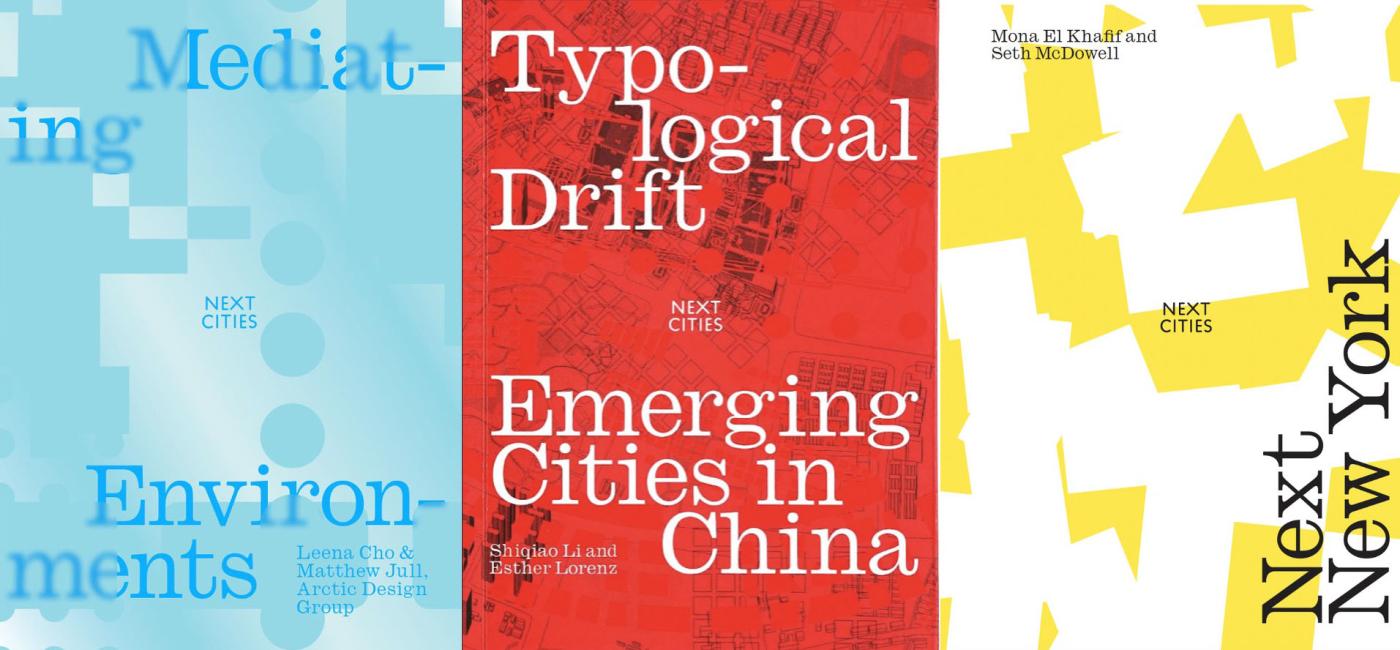
The Next Cities publication series by the UVA School of Architecture and its Next Cities Institute disseminates design research by faculty and students at UVA focused on the rapidly changing dynamics of global urban futures. The series expands on how design — in its theory and physical instantiation in the world — probes the questions and controversies of the day, continually writing new expressions of the city.
Faculty authors/editors, unique to each volume, bring together critical voices on contemporary urban issues. The series partners with Neil Donnelly Studio for book design and is published by ORO's Applied Research and Design.
Mediating Environments
Image
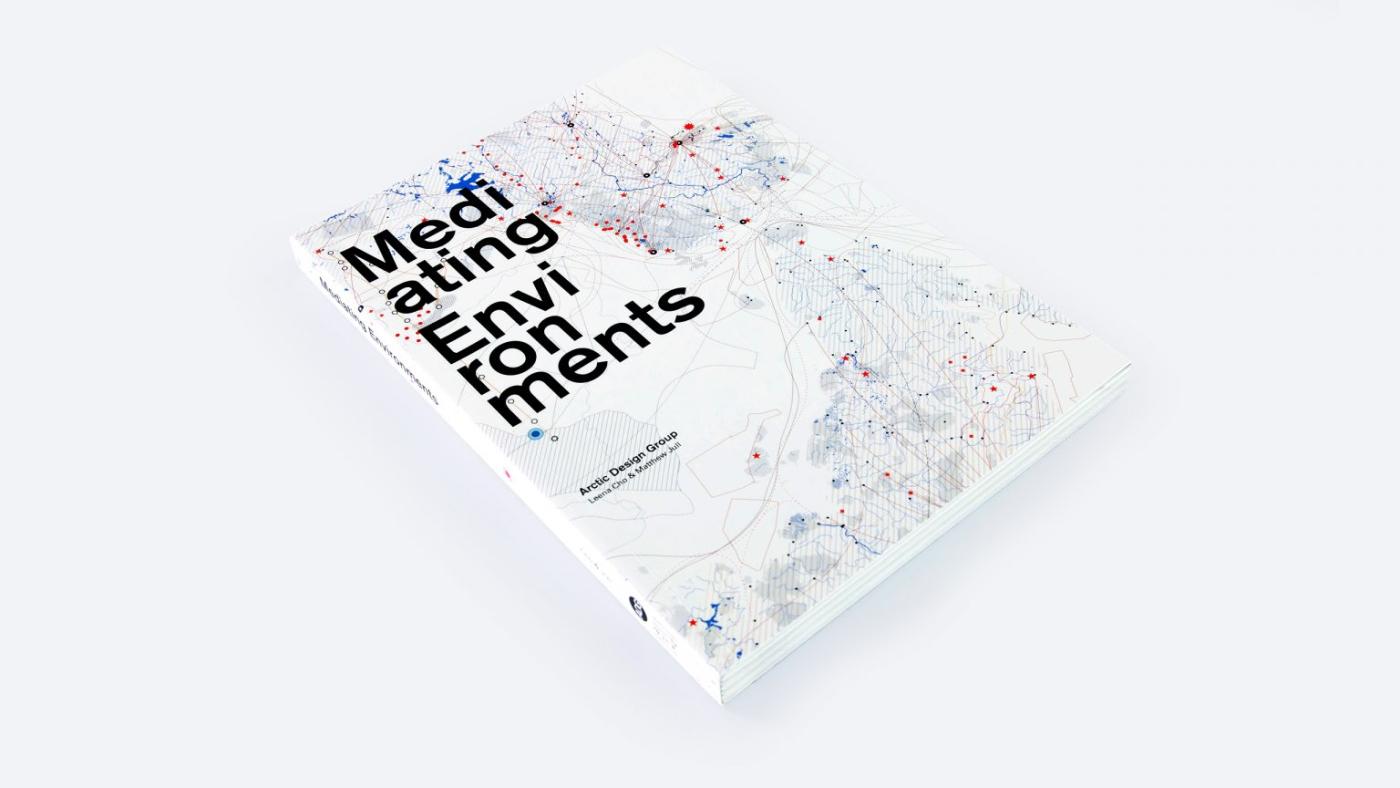
‘Mediating Environments’ examines fundamental and radical environmental conditions in the Arctic and provides a spectrum of innovative design approaches and spatial outcomes. Climate organizes and sustains a broad range of activities in the Arctic, and it will dictate the future transformations in northern urban landscapes and their metabolic operations. As such, arctic urbanism must take into account the varied nuances of weather phenomena that are deeply engrained in everyday living practices and biophysical fabrics. By revisiting and reconfiguring the intersections between environmental and design systems, this publication aims to expand conceptual strategies in the arctic beyond the modes of insulation, stabilization, and optimization while repositioning the region as a central figure within the global network of exchanges.
How can the ‘arctic wall’ as a defining feature of northern architecture be renegotiated? Can design, whether it is pavement assemblies or building foundations built on permafrost, escape the confines of technical precedence aimed to resist instability, and instead work with – take advantage of – dynamic environmental mechanisms, such as thermal cycles of ground, pronounced in the region? This study is not an argument against engineering but for greater synergies between engineering and design as well as between science and design, and for developing climatically responsive and arctic-specific paradigms for the construction and maintenance of arctic cities. The future of sustainable arctic development requires resiliency in urban form and programming that is adaptive to the current and future flux inherent in the region, as well as a repositioning of the arctic environment as a productive, robust, and dynamic foreground through which design and urbanism occur and are contextualized.
Co-Editors and Contributing Authors
Leena Cho is an associate professor of Landscape Architecture at the University of Virginia, whose research investigates conception, representation, and design instrumentation of weather phenomena and climates in built environments. She received her MLA from the Harvard Graduate School of Design.
Matthew Jull, Ph.D is an associate professor of Architecture at University of Virginia. His research focuses on systems and processes of architecture and urbanization in extreme environments, specifically in arctic Russia and North America. Jull received his MArch from the Harvard Graduate School of Design and his PhD in theoretical geophysics from Cambridge University.
Cho and Jull are founding directors of the Arctic Design Group, an interdisciplinary and international design research platform focused on the challenges that the Arctic is facing in relation to climate change, landscape and urban transformations, and economic developments. Both are also founding directors of Kutonotuk/TempAgency, a design firm that has received critical recognitions nationally and internationally.
Publication Date: Fall 2019
Typological Drift
Image
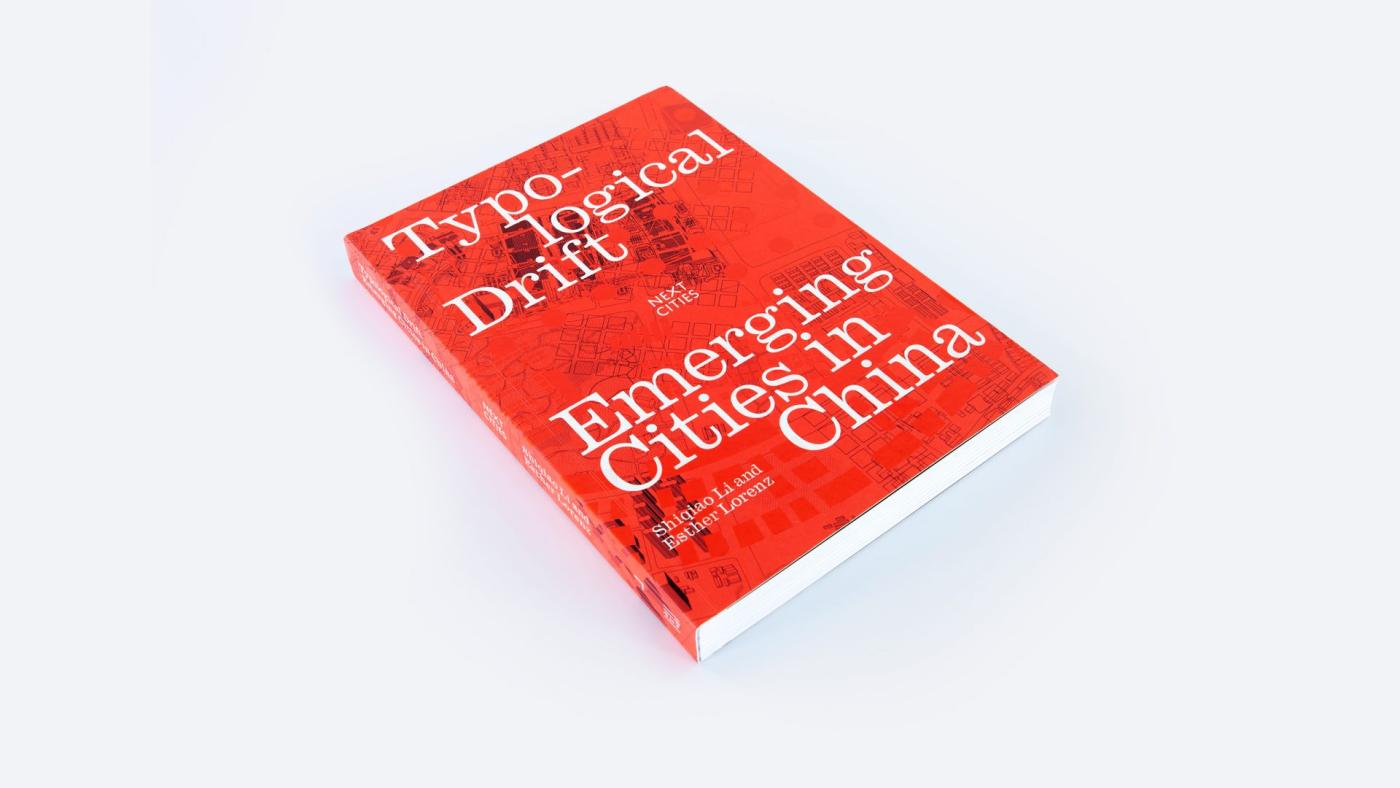
This book documents the impact of the Chinese culture on the development of city types in China in the past four decades, leading to surprising urban realities that often escape normative urban theories. The book uses the concept of drift, which, together with mutation, adaptation, and migration, contributes to the rudimentary patterns of biological change; drift of phenotypes takes place when chance events randomly terminate some features and allow other features to flourish in ways that are unrelated to other patterns. The Chinese culture has exerted a set of forces that may be seen to have functioned as “unexpected events” in the normative processes of urban change. Through thirteen case studies, more than 60 original maps and drawings, and extensive photographic documentation, the book reveals how three “drift triggers”—ten thousand things, figuration, and group action—have altered typological development in Chinese cities in the past four decades.
Authors
Shiqiao Li is Weedon Professor in Asian Architecture, School of Architecture, University of Virginia, where he teaches history, theory, and design of architecture, and directs PhD in the Constructed Environment Program. He is author of Understanding the Chinese City (2014), Architecture and Modernization (2009, in Chinese) and Power and Virtue, Architecture and Intellectual Change in England 1650-1730 (2006).
Esther Lorenz is a licensed architect and academic, and Associate Professor at the School of Architecture, University of Virginia. Her research explores the connections between architecture and culture, from the study of new urban formations to cultural and spatial practices in relation to built form, to investigations of the intersections between media and architecture.
Publication Date: Fall 2021
Next New York
Image
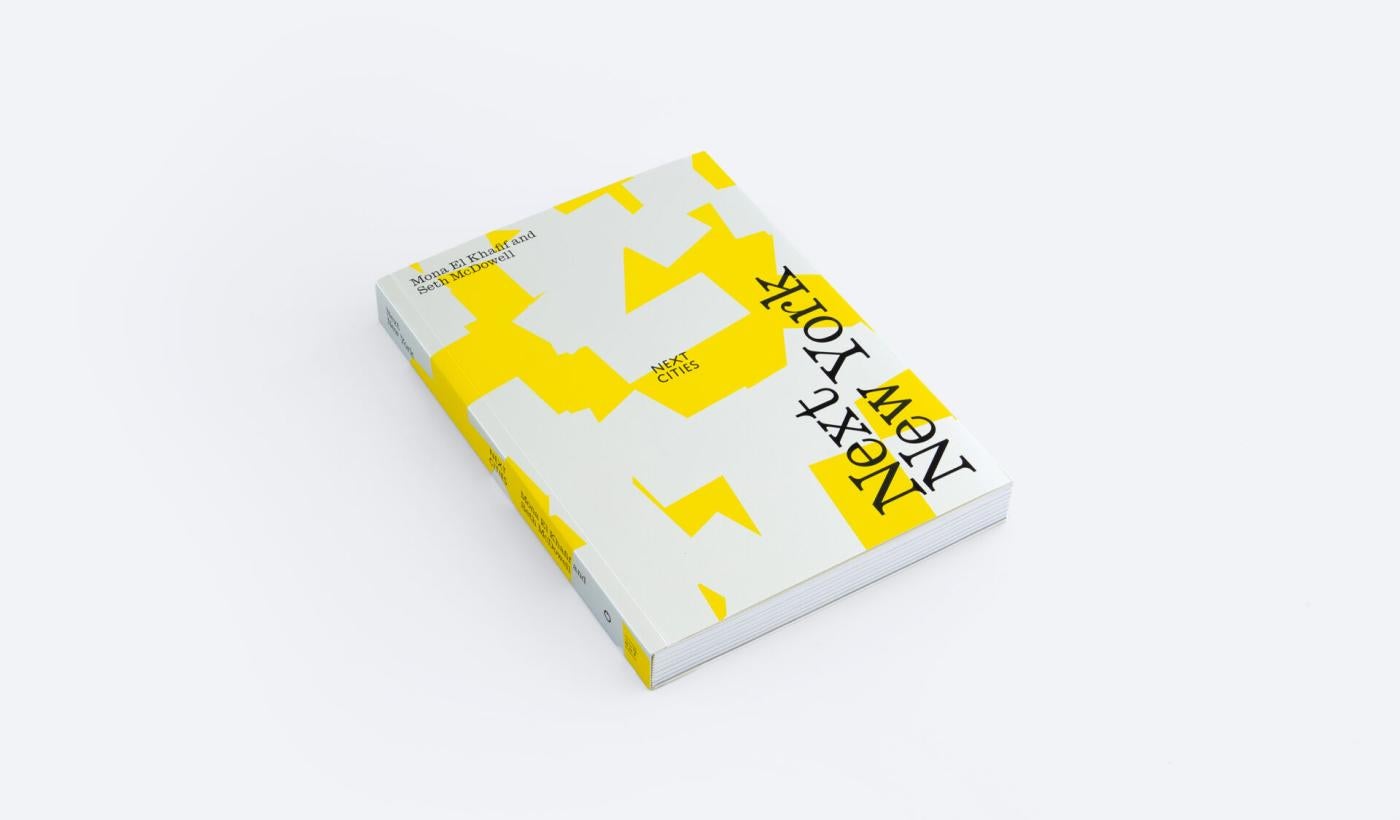
Over the last 500 years, a range of innovative, responsive, and pragmatic civic actions have helped to generate, define, and maintain New York City’s global significance. From early on much of these actions were responses to population density and the accompanying challenges for health and well-being. Approaching its next growth cycle, New York is again amid important urban transformations that demand new urban and architectural models that allow for an open city to balance gentrification, and to address a lack of public spaces, social infrastructure, and affordable housing. These challenges and their architectural and urban implications are the focus of Next New York.
The book captures the city’s current momentum through the lens of three important urban actions: sharing, connecting, and partnering. Through 10 essays from scholars and practitioners working on pressing urban issues, a photographic essay portraying New York during COVID-19, and more than 35 design projects from graduate studios at the University of Virginia’s School of Architecture, Next New York reflects, comments, and speculates on New York City’s capacity to bring about new conceptions of city-making and collective cohabitation through architecture.
Co-Editors and Contributing Authors
Mona El Khafif is an associate professor at UVA School of Architecture and Principal of SCALESHIFT a design research-based practice located in Toronto and Virginia. Her research operates at multiple scales, examining the interdisciplinary aspects of urban design, creative placemaking, urban prototyping, and strategies for the smart city.
Seth McDowell is an associate professor at UVA School of Architecture and is a co-founding partner of mcdowellespinosa architects located in Virginia and New York. His work, which explores architecture, art, and urban design as an artifact of material and construction experimentation.
Publication Date: Spring 2023
Learn more and purchase through the links below
What is the Center for Design and Health?
We aim to understand how the design of our built environments can address the challenges of rapid urbanization so that our cities and the places in which we work and live are healthier and more nourishing to everyone.
Churchill famously said, 'we shape our buildings and afterwards our buildings shape us.' (1948). The Center for Design and Health (CDH) produces research that captures how the world shapes our health and wellbeing, how we experience place, what is going on in our minds and bodies as we move through space, and aims to apply this knowledge to the design and planning of the built environment.
Our goal is to foster and apply research to design solutions that allow us be fitter, happier, more productive, age better, live longer, and help us all live together in a positive and meaningful way.
Specifically, we aim to:
- Drive world-class scientific research on the neurological and psychological impact of environments on the human mind
- Translate basic research into design practices
- Promote excellence in teaching to educate a new generation of design-health professionals and leaders to promote a vision for healthy, inclusive places
- Generate impact and serve as the definitive ‘go-to’ design-health resource for Virginia and beyond
- Drive discourse within the disciplines of architecture, planning, and landscape architecture as agents of health change
OUR MISSION
We aim to understand how the design of our built environments can address the challenges of rapid urbanization so that our cities and the places in which we work and live are healthier and more nourishing to everyone.
WHAT WE DO
Churchill famously said, 'we shape our buildings and afterwards our buildings shape us.' (1948). Our research captures how the world shapes our health and wellbeing, how we experience place, what is going on in our minds and bodies as we move through space, and aims to apply this knowledge to the design and planning of the built environment.
Our goal is to foster and apply research to design solutions that allow us be fitter, happier, more productive, age better, live longer, and help us all live together in a positive and meaningful way.
Specifically, we aim to:
- Drive world-class scientific research on the neurological and psychological impact of environments on the human mind
- Translate basic research into design practices
- Promote excellence in teaching to educate a new generation of design-health professionals and leaders to promote a vision for healthy, inclusive places
- Generate impact and serve as the definitive ‘go-to’ design-health resource for Virginia and beyond
- Drive discourse within the disciplines of architecture, planning, and landscape architecture as agents of health change
OUR EXPERTISE
- ENVIRONMENTAL PSYCHOLOGY
- HEALTHCARE DESIGN
- HUMAN CENTERED DESIGN RESEARCH
- HEALTHY CITIES
Former Director
Jenny Roe
Mary Irene DeShong Emerita Professor in Design and Health
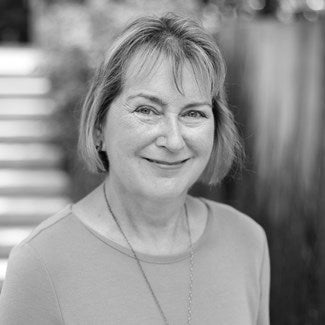
Jenny Roe is the Mary Irene DeShong Emerita Professor in Design and Health and the Former Director of the Center of Design and Health with a multi-disciplinary background in the humanities, design and environmental psychology. She is the former Senior Research Leader in Human Wellbeing and Behaviour Change for the Stockholm Environment Institute (SEI) where she worked with environmental scientists and health professionals to explore how best to build sustainable, resilient and healthy cities.
Jenny is a Landscape Architect and Environmental Psychologist who explores the interactions between people and their environment. She is a specialist researcher in restorative environments and places that actively improve our health, such as high quality urban parks, water settings, and well designed buildings with good daylight. She has built a reputation for pioneering innovative methods in disadvantaged communities in order to quantify the health benefits of good neighborhood design and green space, using physiological indicators such as cortisol – the stress hormone – and mobile Electroencephalography (EEG) to explore emotional activity on the move.
Prior to her current career in academia, she was Principal Landscape Architect in a multi-disciplinary architectural practice in London called Sprunt specializing in social housing, educational and healthcare design. Access to all her publications, blog postings and films can be found at jennyjroe.com.
PLEASE NOTE: The Center for Design and Health is currently transitioning leadership following former Director Jenny Roe's retirement.
Stay tuned for more details forthcoming.
Our Research and Projects
Image
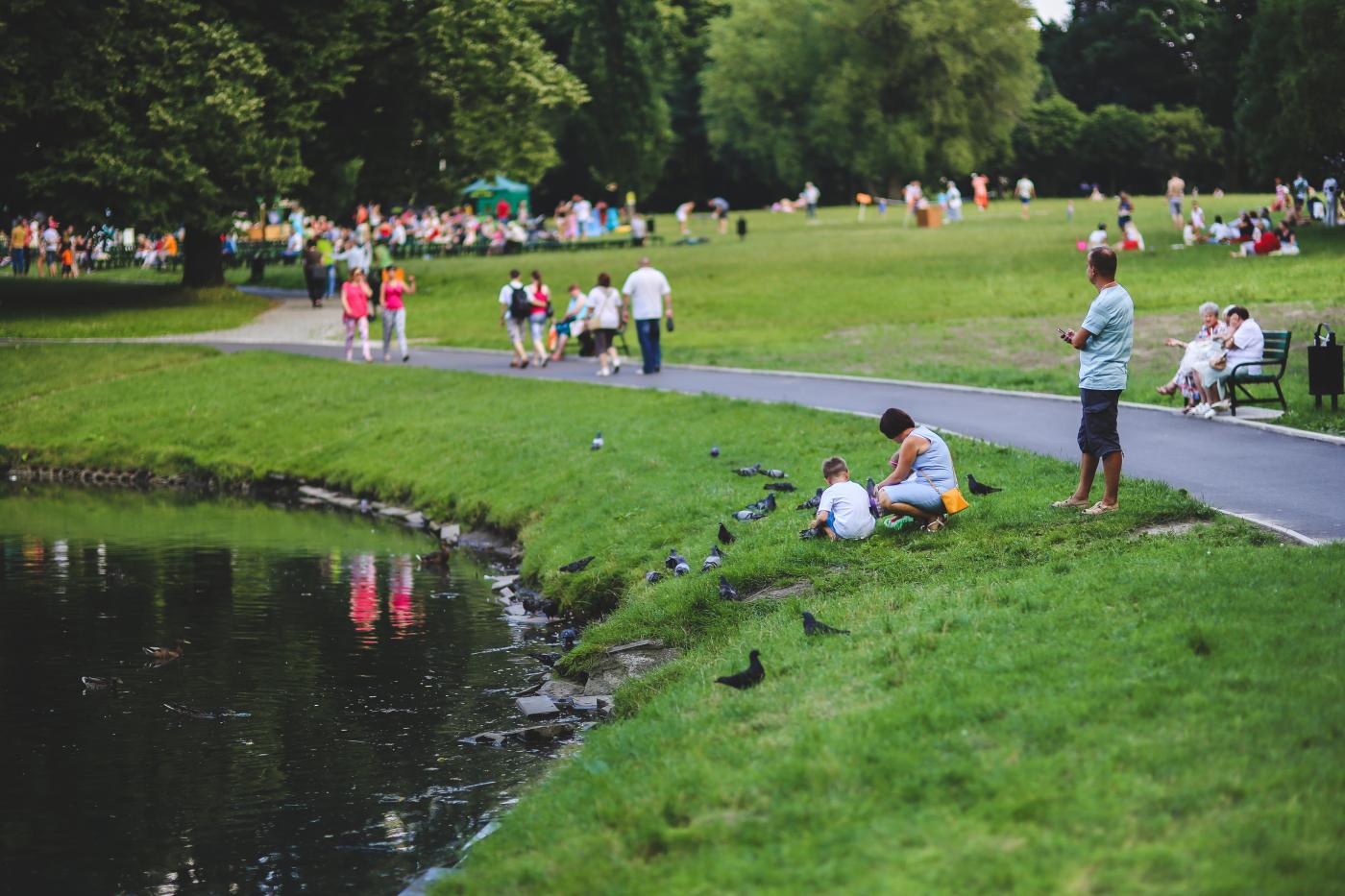
The Center for Design + Health's research in environmental psychology (EP) is driven by our expertise and competitive advantage in the areas of Mental Health, Health Equity, and Natural Systems.
We are driving innovation in these fields by firstly, using cutting edge technologies — such as mobile neural imaging and daylight sensors; secondly, by applying novel research methods to the EP field — such as the use of cortisol as a biomarker of stress; and thirdly, by applying a thoroughly inter-disciplinary and integrative approach to addressing health problems. By further catalyzing on UVA’s institutional strengths and wider faculty, the Center for Design + Health is poised to build further research excellence in these niche areas.
— Mental Health
— Health Equity
— Natural Systems
A few of our current projects are highlighted below
CO-CREATING AN EQUITABLE NATIONWIDE COMMUNITY FORESTRY PUBLIC AWARENESS AND EDUCATION MESSAGING CAMPAIGN (2022-2024)
Image

Led by the UVA's Institute for Negotiation (IEN) and funded by USDA Forest Service Urban & Community Forestry Program, award value $1 million. This project will support the co-creation of a scalable public education and messaging strategy by elevating priorities of communities disproportionately affected by climate change and environmental injustice. These messaging strategies will meet local, state, and national messaging needs with customized, culturally responsive support. By providing microgrants to these communities they will co-create audience-specific communications strategies, that will grow public awareness and education to promote stewardship of community forests where it is needed most. Innovative communication strategies will reach out beyond the “urban forestry choir” to under-engaged community members and the public. The nationwide messaging campaign will be able to be customized for regional and local audiences and successfully tested with its focused audiences. The messaging campaign will also address USDA national priorities of environmental and climate justice.
Partners:
UVA Institute for Negotiation (IEN)
CDH Project Lead:
Jenny Roe is the Director of the CDH
FOCUSED COPE: ENHANCING RESILIENCE AND EQUITY IN URBAN COASTAL COMMUNITIES THROUGH THE CO-GENERATION OF COMMUNITY CAPITALS (2022-2027)
Image

This five-year research initiative will explore how to best design infrastructure to combat the impacts of climate change, sea level rise and storm water management in coastal communities in Norfolk currently at risk from flooding. A key strategy is co-creating the design of new resilient infrastructure with citizens and key stakeholders in Norfolk. The research will include a carefully controlled natural experiment -- led by Jenny Roe -- that will quantify the mental health benefits of a green space intervention designed to combat the impacts of climate change in Norfolk and foster community wellbeing.
Funded by the National Science Foundation Coastlines and People Hub for Research and Broadening Participation, award value $5 million.
CDH Project Lead:
Jenny Roe is the Director of the CDH
IMPACT OF URBAN WALKS ON HEALTH AND WELLBEING ACROSS THE LIFE SPAN (2020-2022)
Image
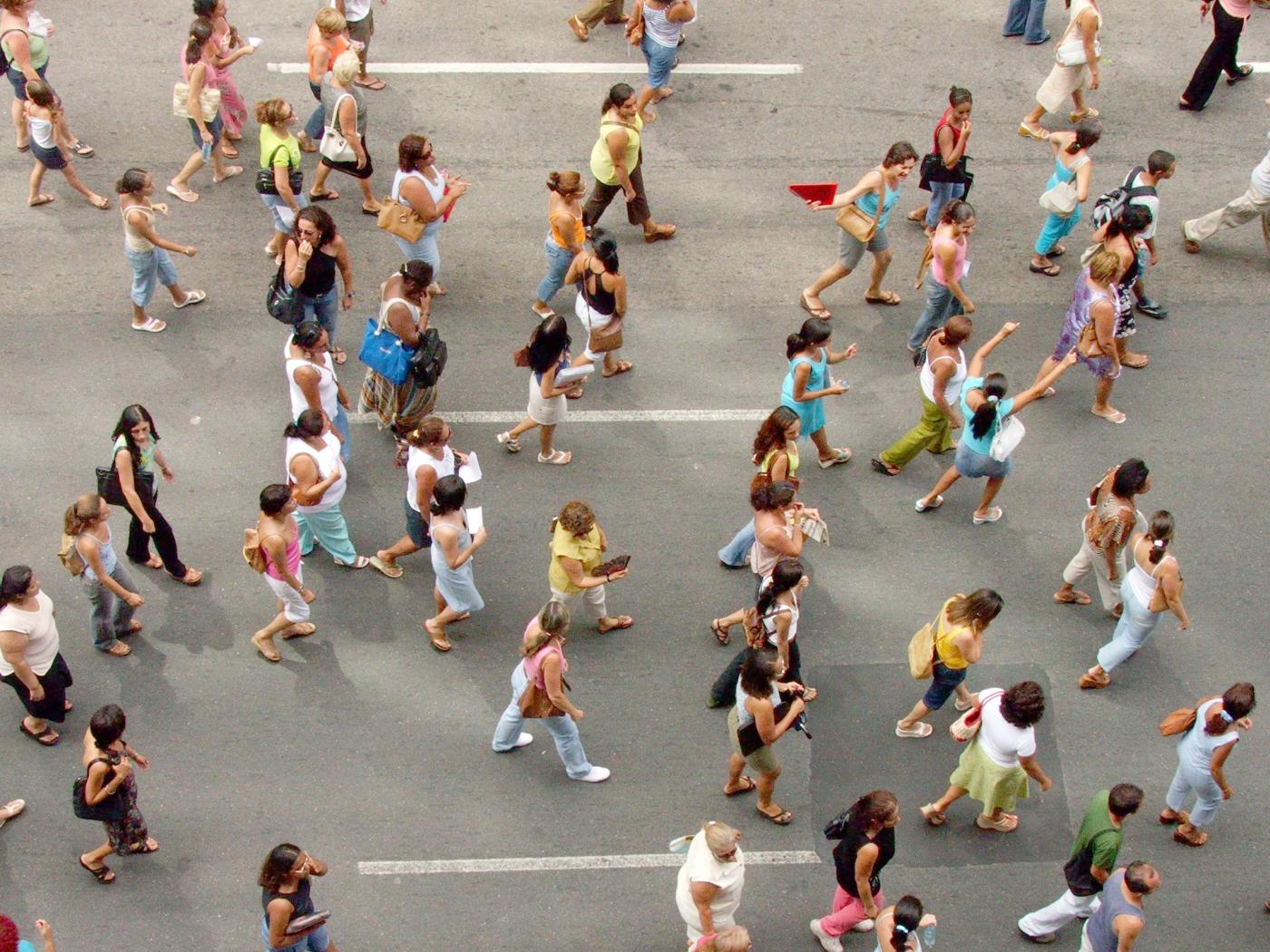
This project brought together partners from the University of Virginia, Virginia Tech, and the Science Museum of Virginia to explore how environmental stressors (such as air and noise pollution and heat stress) and mitigating strategies -- such as increasing tree canopy and green space -- affect the health benefits of walking in urban settings across lifespan. It replicates our earlier ESME study showing a positive effect of urban green space on cognitive and emotional wellbeing in older peopled aged 65 plus.
This extension study engaged participants in three age groups (young, middle-aged, and older adults) who undertook short walks in both green and busy urban areas during Covid-19 (Summer 2020). Our study found that walking in urban green space improved stress regulation (as captured by heart rate variability and self-reported perceptions of stress) and improved emotional wellbeing, and thermal comfort whilst also accounting for the impact of air quality and temperature on these outcomes.
This grant was awarded to the University of Virginia and partners, and funded by the Integrated Translational Health Research Institute of Virginia) (iTHRIV) 2020 to 2022.
CDH Project Lead:
Jenny Roe is the Director of the CDH
THE EMOTIONAL, PHYSICAL, AND COGNITIVE BENEFITS OF PURPOSEFUL GREEN SPACE ACTIVITIES ON SENIORS (2021-2022)
Image
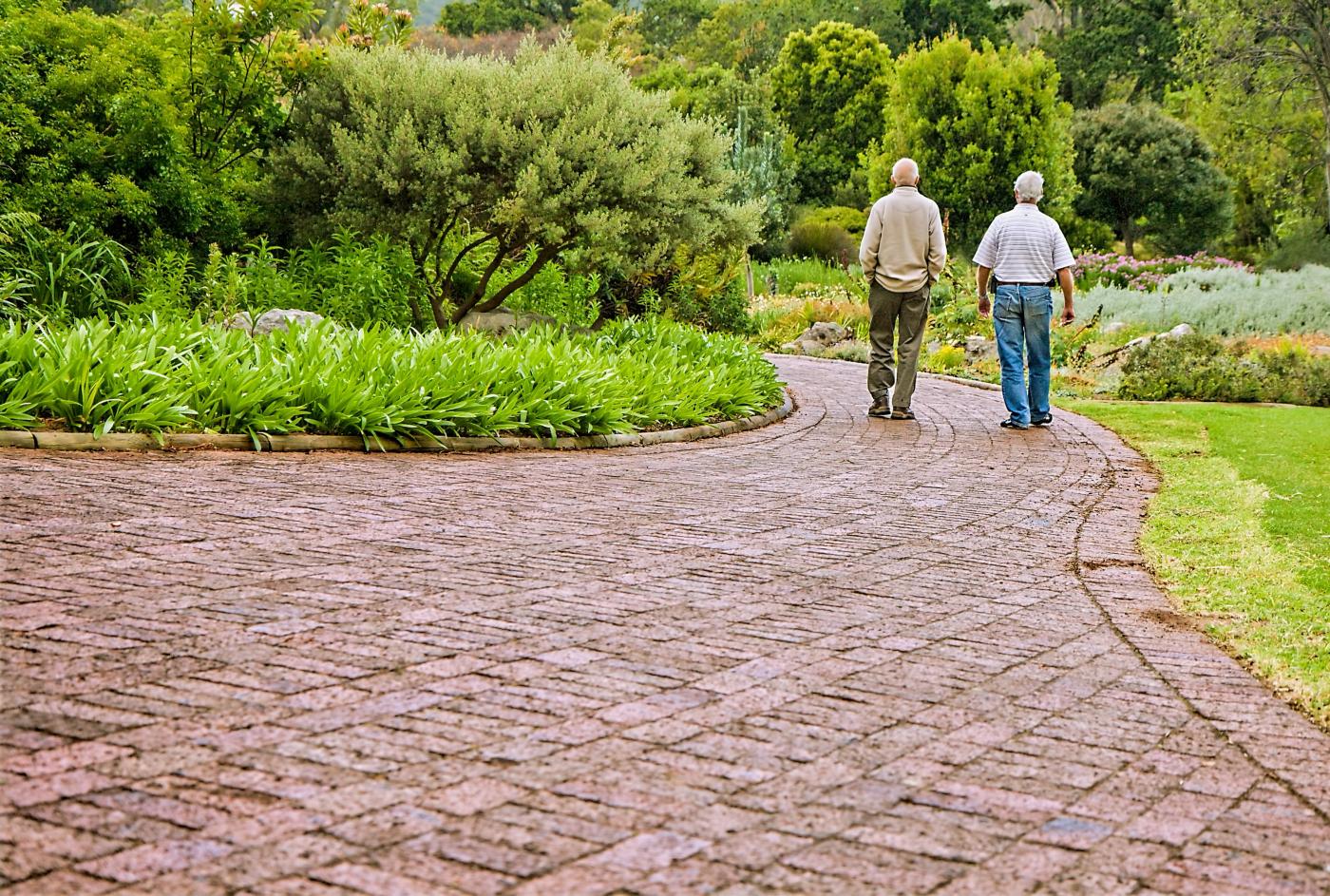
COVID-19 has had a severely detrimental impact on seniors across the globe. Older adults have suffered due to movement restrictions that have been detrimental to emotional, physical and cognitive health outcomes. During Covid-19, this project explored if different types of nature-based interventions could lead to improvements in emotional, physical and cognitive health outcomes amongst seniors. The three nature activities tested were: walking in nature (contemplative activity), engaging in physical planting (physical activity) and a citizen science-based activity (cerebral activity). Wellbeing outcomes include measures of physical activity, loneliness, belonging, working memory, psychological restoration and mood in seniors, aged 65+. Our study identified that all three interventions were beneficial to wellbeing in seniors and results will be published in 2023-2024.
Funded by iTHRIV (Translational Health Research Institute of Virginia) and the National Center for Advancing Translational Sciences (NCATS) of the National Institute of Health (NIH). Total Award Value: $40,000.
Partners:
iTHRIV, NCATS
CDH Project Lead:
Jenny Roe is the Director of the CDH
To find out more about the project contact Jenny Roe: jjr4b@virginia.edu
What is the Center for Cultural Landscapes?
Creative design and innovative stewardship are tied both to respect for our common natural and cultural resources, and to the regeneration of the places we call home—our buildings, our cities, our countrysides, and our post-industrial complexes.
The Center for Cultural Landscapes (CCL) produces research and creates new models of innovative cultural landscape stewardship in the region, the nation, and around the globe. We are an interdisciplinary group of academics and designers who are connected to, and collaborate with, a larger group of associated professionals and organizations to achieve this mission. Our work focuses on increasing awareness of the historical, ecological, and social value of cultural landscapes through innovative scholarly research, site documentation and fieldwork, planning, preservation, management, and design.
Founded in 2015, the Center for Cultural Landscapes received inaugural support from the UVA School of Architecture Dean’s office. Our projects and events have been funded by the UVA Sara Shallenberger Brown Cultural Landscapes & Sites Initiative, UVA Vice Provost for the Arts, The Andrew W. Mellon Foundation, The Battersea Trust, the UVA Institute of the Humanities and Global Cultures and the Jefferson Trust, an initiative of the University of Virginia Alumni Association.
Current Highlighted Projects
The Center for Cultural Landscapes produces research and creates new models of innovative cultural landscape stewardship in the region, the nation, and around the globe. We are an interdisciplinary group of academics and designers who are connected to, and collaborate with, a larger group of associated professionals and organizations to achieve this mission. Our work focuses on increasing awareness of the historical, ecological, and social value of cultural landscapes through innovative scholarly research, site documentation and fieldwork, planning, preservation, management, and design.
A few of our current projects are highlighted below.
Landscape Studies Initiative - Book Prizes NOW OPEN FOR 2025
|
Image
|
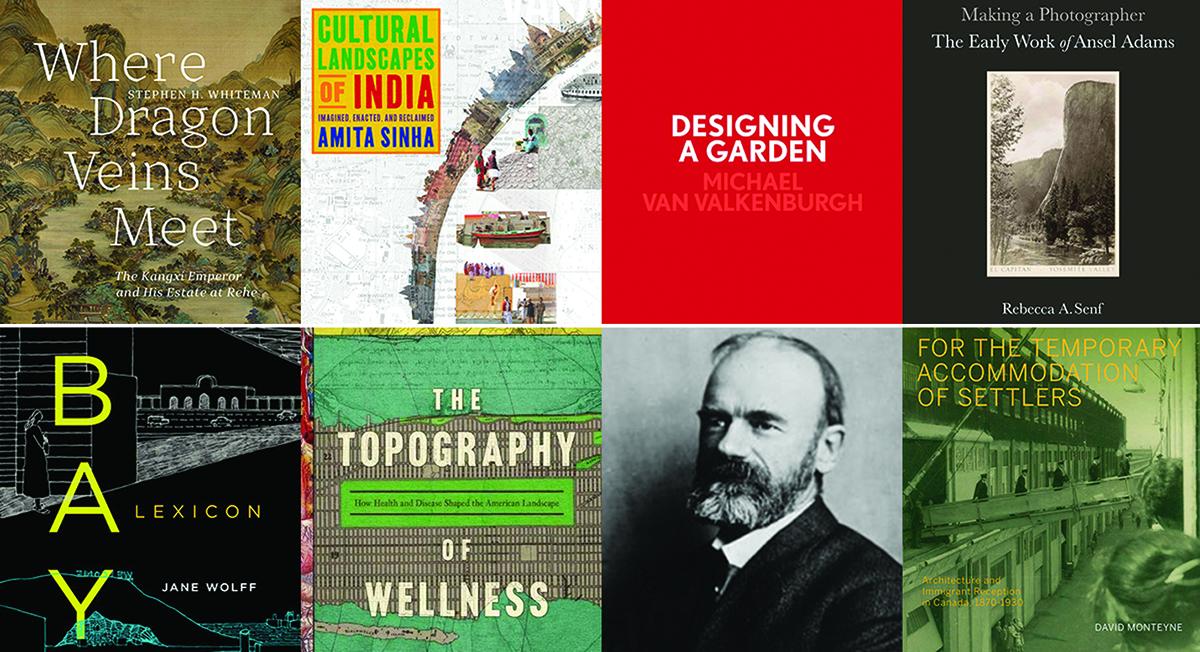
The Foundation for Landscape Studies, whose mission was to foster an active understanding of the importance of place in human life, was founded in 2005 by Elizabeth Barlow Rogers. While it no longer operates as an independent not-for-profit organization, its legacy is being furthered by the University of Virginia's Center for Cultural Landscapes.
The Center for Cultural Landscapes will continue the legacy of the Foundation for Landscape Studies by stewarding its Book Awards, the JB Jackson Book Prize and the Coffin Publication Grant, and sharing its primary publication — Site/Lines, a donor-supported journal of place embracing park and garden history, theory, and design; city planning; and the cultural interpretation of ordinary landscapes.
LEARN MORE ABOUT THE BOOK PRIZES AND HOW TO APPLY
LEARN MORE ABOUT THE FOUNDATION FOR LANDSCAPE STUDIES LEGACY
The Out(sider) Preservation Initiative
|
Image
|
|
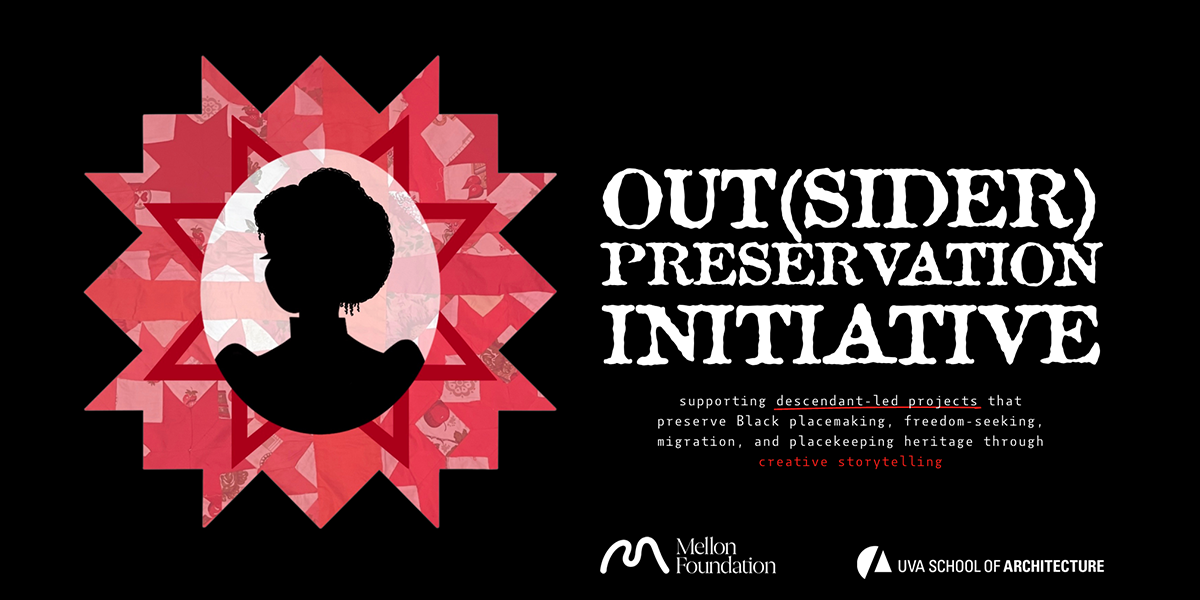
The Out(sider) Preservation Initiative (OPI) supports descendant community members working to preserve Black placemaking, freedom-seeking, migration, and place-keeping heritage through art and storytelling. It celebrates Black spaces and stories across time—from the founding of Black settlements after Emancipation up to the Great Depression (1865-1930). Through research, grants, and creative projects, OPI shines a spotlight on how culture, performance, and heritage keep Freedmen’s Settlements (such as Freedom Colonies and Black Towns) alive. Funded by Mellon and based at UVA, OPI expands The Texas Freedom Colonies Project’s work into places like DC, Virginia, California, and Nova Scotia. With its advisory board, scholars, artists, and community partners, OPI will:
- Offer a small number of grants to descendants to complete films, art, performances, and archives that celebrate Freedom Colony founders.
- Build an interactive web portal where folks can engage with stories, events, and projects expanding our reach across the US and Canada.
- Host symposia and launch projects to tackle preservation challenges.
- Develop preservation education led by descendants, for descendants.
Project Leads from CCL:
Andrea Roberts is faculty director of the Center for Cultural Landscapes
Towards a People's History of Landscape
|
Image
|
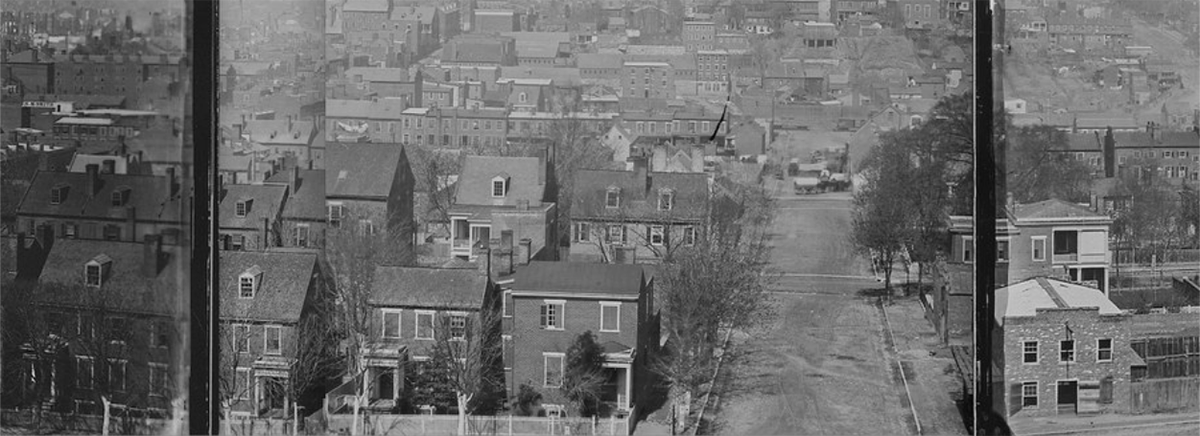
The "A People’s History of Landscape" initiative and website contributes to efforts in the academy to address complex histories of land, labor, and place-making. A People's History of Landscape's 2024 NEH Summer Institute for Higher Education Faculty will bring together scholars from across the nation to explore alternative approaches to scholarship and teaching landscape and place-oriented social and cultural histories, centering Black and Indigenous historical narratives in the founding of the United States and the cultural landscape of one of its earliest colonies, the Commonwealth of Virginia. This initiative builds an online repository of teaching modules, syllabi, and Institute materials from past Summer Institutes and expands the growing community of scholars dedicated to creating A People’s History of Landscape.
Project Leads from CCL:
Andrea Roberts is faculty director of the Center for Cultural Landscapes
Arc of Enslaved Communities Initiative
|
Image
|
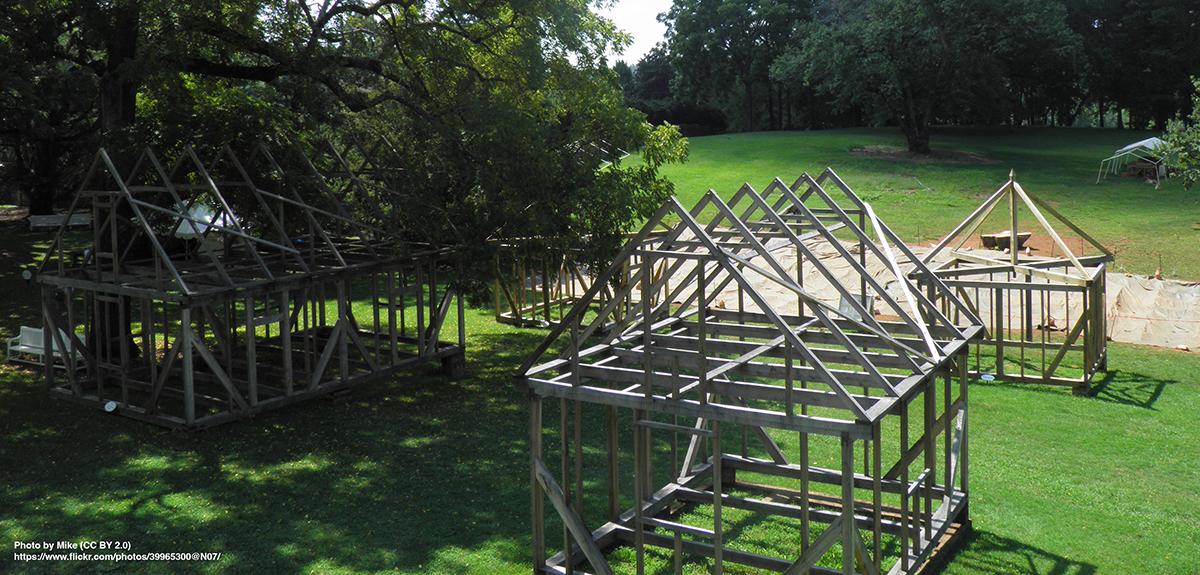
The Arc of Enslaved Communities is led by the Montpelier Descendants Committee (MDC) to honor and uplift Black descendant histories across nine counties in Central Virginia. The initiative focuses on significant sites including plantations, burial grounds, churches, and post-emancipation communities. It aims to recognize the lived experiences and cultural contributions of enslaved people and their descendants.
In 2023, the MDC selected the Center for Cultural Landscapes through a competitive request for proposals to develop a community engagement strategy. The resulting report outlines approaches to descendant-centered research and provides recommendations for commemorating important sites through parks, trails, green spaces, and other forms of public remembrance.
Project Leads from CCL:
Andrea Roberts, Faculty Director of the Center for Cultural Landscapes
Frank Dukes, Institute for Engagement & Negotiation
Justice Madden, Project Manager for the Center for Cultural Landscapes
Jennifer Saunders, Intermediate Research Specialist for the Center for Cultural Landscapes
The Texas Freedom Colonies Project
|
Image
|
The Texas Freedom Colonies Project is an educational and social justice initiative dedicated to supporting the preservation of Black settlement landscapes, heritage, and grassroots preservation practices through research. To support freedom colonies’ community resilience, the Project engages in three core activities:
- Recording and safeguarding stories and materials associated with freedom colonies’ origins & decline
- Hosting and maintaining an interactive, publicly accessible Atlas & Database of freedom colony locations including GIS layers indicating development and ecological threats
- Identifying resources for and co-developing community resilience strategies and policies with freedom colony descendants using the contents of the Atlas and Database
The Project uses GIS analysis, archival research, and engaged ethnography, including oral histories. Team members create peer-reviewed scholarship, develop project-based learning for students, and provide evidenced-based support to grassroots and public preservation groups and agencies, which along with the Atlas, make freedom colonies more visible to those who can influence their chances of survival.
Project Leads from CCL:
Andrea Roberts is faculty director of the Center for Cultural Landscapes
Landscape Studies Initiative - Landscape Design: A Digital History
|
Image
|
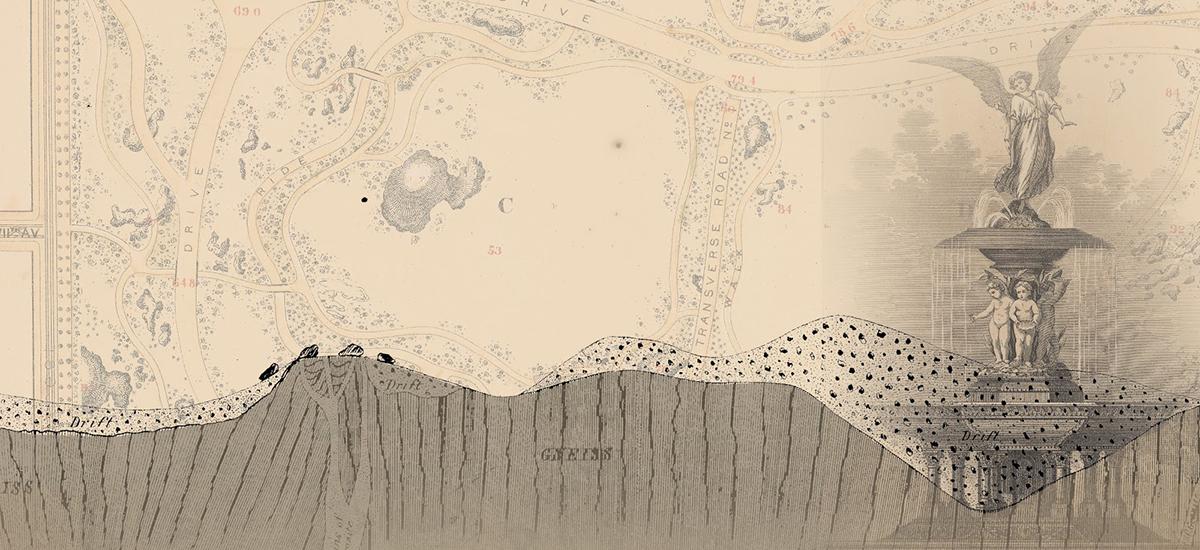
The UVA Landscape Studies Initiative Landscape Design, is a digital platform for reinvigorating the teaching of history of designed landscapes (urban, suburban and rural). It is based on landscape historian’s Elizabeth Barlow Rogers' Landscape Design: A Cultural and Architectural History (2001), a book that has been central to the teaching of landscape history in landscape architecture, architecture, urban studies and the environmental humanities. This survey of the history of landscape design chronicles thousands of years of humankind shaping the landscape, through design, to reflect and enable varied social practices and cultural values. Roger’s text and over 600 images are tagged, so readers can query for keywords that include designer’s names, project names and locations as well as landscape types. The beta version of the digital platform includes: a supplemental bibliography that includes sources written since 2001 when Roger’s book was published; and supplemental historical images of Central Park that were scanned from the UVA Library’s Reuben Rainey Collection. Under the resources tab, we provide links to other online sites that are useful for finding primary source materials—texts and images—related to the history of gardens, urban landscapes, parks and public spaces.
Project Leads from CCL:
Elizabeth K. Meyer is director of LSI, Center for Cultural Landscapes
Directors
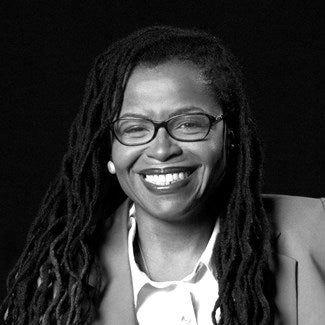
Andrea Roberts
Faculty Director, Center for Cultural Landscapes
Associate Professor, Urban + Environmental Planning
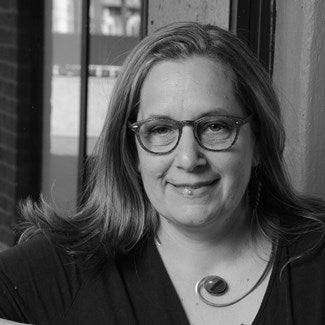
Jessica Sewell
Co-Director, Center for Cultural Landscapes
Associate Professor, Urban + Environmental Planning
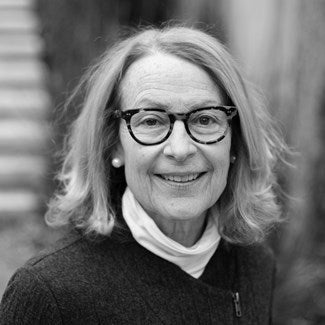
Elizabeth K. Meyer
Founding Director, Landscape Studies Initiative
Professor, Landscape Architecture
4 CORE + 1 ELECTIVE
REAL ESTATE DEVELOPMENT PROCESS
Focuses on the fundamentals of the real estate development process, from basic real estate relationships (developers, lenders, the public), through location/land acquisition decisions, property rights, risk management, ethics, preliminary due diligence, and more.
REAL ESTATE FINANCE FUNDAMENTALS
Investigates the role of finance in development with an emphasis on value creation; familiarizes students with the diverse ways of financing real estate projects; requires students to apply financial knowledge to self-selected real estate projects, including development of required financial documents and proforma.
DESIGN DIMENSIONS OF REAL ESTATE
Explores the reciprocal relationship of design and real estate principles and how they add value to each other in creative design and engaged planning for successful real estate projects.
APPLIED REAL ESTATE
Synthesizes students’ skills and knowledge through application of the real estate development process in a specific geographic and socio-economic setting.
REAL ESTATE + AFFORDABLE HOUSING
ELECTIVES
LINKING TO LEADERS IN THE PROFESSION
Creating a bridge between the program and the profession, the Real Estate Development Advisory Council (REDAC) provides strategic advice and feedback in the planning, application, and fulfillment of the Real Estate Design and Development certificate program. The Council members serve as leaders, and act as representatives of the School, in the University-wide effort around Real Estate Design and Development. The Council partners with the A-School Foundation in advancing the program’s long-term financial stability. REDAC members are an engaged network of professionals who bring real-world projects and knowledge to the students and the classroom, and create a strong pipeline for jobs upon graduation.
The A-School has been a leader – moving the needle forward and strongly supporting the Pan-University initiative to make UVA one of the top universities in the country for multi-disciplinary education in Real Estate Design and Development.
Interest in the graduate certificate program continues to grow, yet we are looking to further expand the opportunities offered to our students and faculty. Consider investing in the future of the program and its following priorities:
EXPERT IN RESIDENCE
In addition to our exemplary faculty, we seek to bring in a Real Estate professional as an expert in residence. S/he would mentor students through personal and professional experiences, possibly co-teach a course, be a connector to the industry, and provide a strong direct link between the program and the profession.
— $1M (named endowment for position)
STUDENT SCHOLARSHIPS AND FELLOWSHIPS
The School of Architecture aims to provide undergraduate scholarships and graduate fellowships for students interested in studying Real Estate Design and Development. Endowed funds such as these are critical assets when recruiting top students to the School.
— $100,000 (named fellowship)
APPLIED REAL ESTATE PRACTICE STUDIO SPONSOR
Sponsorship would cover student travel and accommodations, allowing students the opportunity to dive fully into a project, from concept and investigation, to permitting, to financing and construction, and gain valuable insight to applied real estate design and development.
— $30,000 (sponsors a studio) - $500,000 (named endowment of studio)
NEW YORK STUDIO SPONSOR
Each year, the School of Architecture engages approximately 80-100 students in researching and addressing an applied, practical project or opportunity in New York City. Sponsorship would cover student travel, accommodations, research costs, and material costs, allowing for hands-on analysis and learning, on-site.
— $50,000 (sponsors a studio) - $1M (named endowment of studio)