
What is the Center for Cultural Landscapes?
Creative design and innovative stewardship are tied both to respect for our common natural and cultural resources, and to the regeneration of the places we call home—our buildings, our cities, our countrysides, and our post-industrial complexes.
The Center for Cultural Landscapes (CCL) produces research and creates new models of innovative cultural landscape stewardship in the region, the nation, and around the globe. We are an interdisciplinary group of academics and designers who are connected to, and collaborate with, a larger group of associated professionals and organizations to achieve this mission. Our work focuses on increasing awareness of the historical, ecological, and social value of cultural landscapes through innovative scholarly research, site documentation and fieldwork, planning, preservation, management, and design.
Founded in 2015, the Center for Cultural Landscapes received inaugural support from the UVA School of Architecture Dean’s office. Our projects and events have been funded by the UVA Sara Shallenberger Brown Cultural Landscapes & Sites Initiative, UVA Vice Provost for the Arts, The Andrew W. Mellon Foundation, The Battersea Trust, the UVA Institute of the Humanities and Global Cultures and the Jefferson Trust, an initiative of the University of Virginia Alumni Association.
Current Highlighted Projects
The Center for Cultural Landscapes produces research and creates new models of innovative cultural landscape stewardship in the region, the nation, and around the globe. We are an interdisciplinary group of academics and designers who are connected to, and collaborate with, a larger group of associated professionals and organizations to achieve this mission. Our work focuses on increasing awareness of the historical, ecological, and social value of cultural landscapes through innovative scholarly research, site documentation and fieldwork, planning, preservation, management, and design.
A few of our current projects are highlighted below.
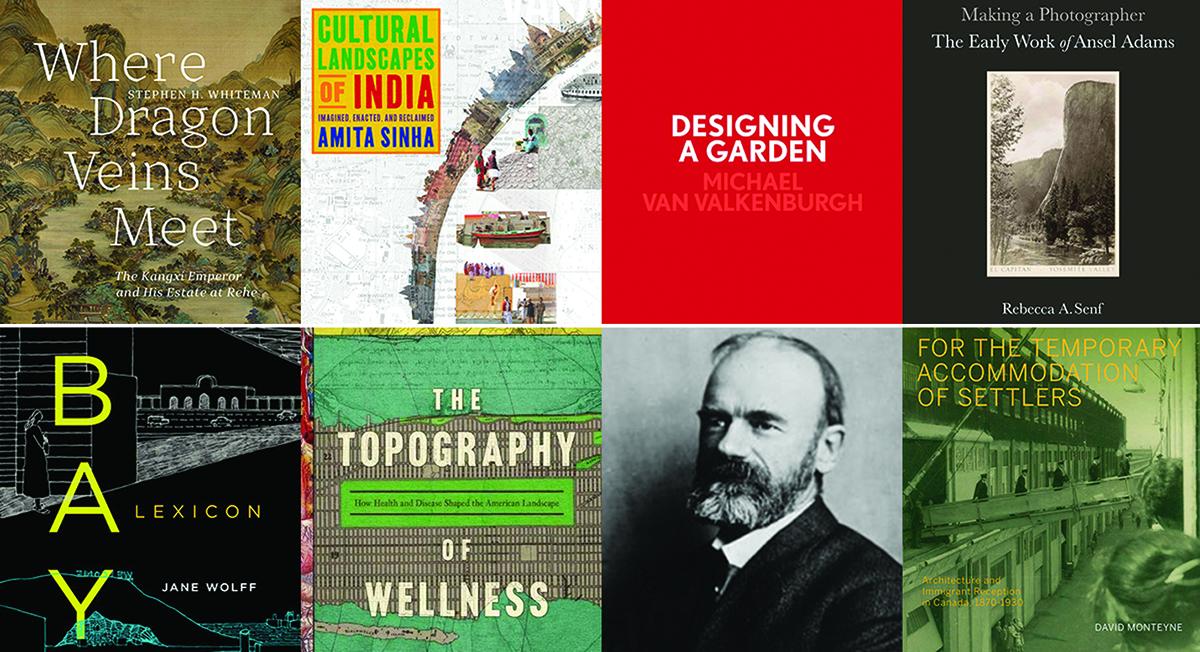
Landscape Studies Initiative - Book Prizes NOW OPEN FOR 2025
|
Image
|
The Foundation for Landscape Studies, whose mission was to foster an active understanding of the importance of place in human life, was founded in 2005 by Elizabeth Barlow Rogers. While it no longer operates as an independent not-for-profit organization, its legacy is being furthered by the University of Virginia's Center for Cultural Landscapes.
The Center for Cultural Landscapes will continue the legacy of the Foundation for Landscape Studies by stewarding its Book Awards, the JB Jackson Book Prize and the Coffin Publication Grant, and sharing its primary publication — Site/Lines, a donor-supported journal of place embracing park and garden history, theory, and design; city planning; and the cultural interpretation of ordinary landscapes.
LEARN MORE ABOUT THE BOOK PRIZES AND HOW TO APPLY
LEARN MORE ABOUT THE FOUNDATION FOR LANDSCAPE STUDIES LEGACY
The Out(sider) Preservation Initiative
|
Image
|
|
The Out(sider) Preservation Initiative (OPI) supports descendant community members working to preserve Black placemaking, freedom-seeking, migration, and place-keeping heritage through art and storytelling. It celebrates Black spaces and stories across time—from the founding of Black settlements after Emancipation up to the Great Depression (1865-1930). Through research, grants, and creative projects, OPI shines a spotlight on how culture, performance, and heritage keep Freedmen’s Settlements (such as Freedom Colonies and Black Towns) alive. Funded by Mellon and based at UVA, OPI expands The Texas Freedom Colonies Project’s work into places like DC, Virginia, California, and Nova Scotia. With its advisory board, scholars, artists, and community partners, OPI will:
- Offer a small number of grants to descendants to complete films, art, performances, and archives that celebrate Freedom Colony founders.
- Build an interactive web portal where folks can engage with stories, events, and projects expanding our reach across the US and Canada.
- Host symposia and launch projects to tackle preservation challenges.
- Develop preservation education led by descendants, for descendants.
Project Leads from CCL:
Andrea Roberts is faculty director of the Center for Cultural Landscapes
Towards a People's History of Landscape
|
Image
|
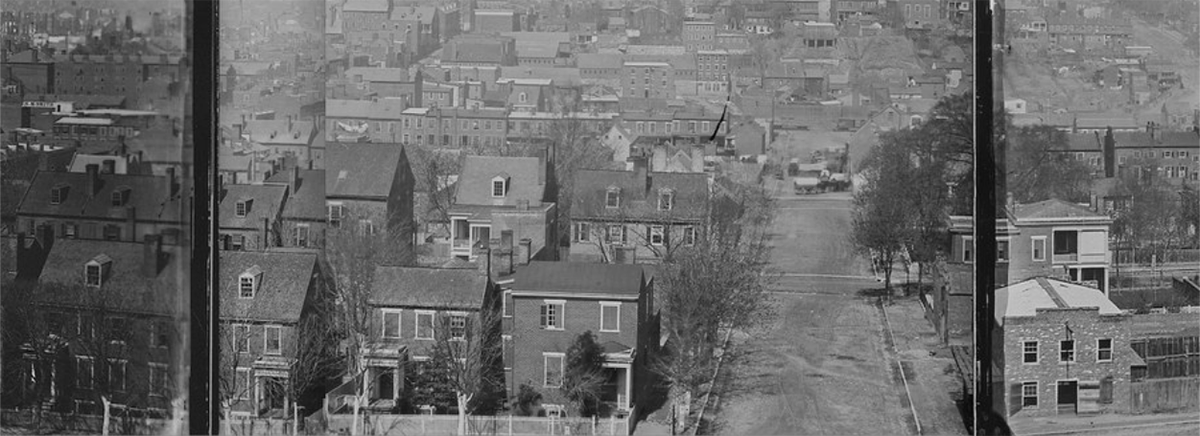
The "A People’s History of Landscape" initiative and website contributes to efforts in the academy to address complex histories of land, labor, and place-making. A People's History of Landscape's 2024 NEH Summer Institute for Higher Education Faculty will bring together scholars from across the nation to explore alternative approaches to scholarship and teaching landscape and place-oriented social and cultural histories, centering Black and Indigenous historical narratives in the founding of the United States and the cultural landscape of one of its earliest colonies, the Commonwealth of Virginia. This initiative builds an online repository of teaching modules, syllabi, and Institute materials from past Summer Institutes and expands the growing community of scholars dedicated to creating A People’s History of Landscape.
Project Leads from CCL:
Andrea Roberts is faculty director of the Center for Cultural Landscapes
Arc of Enslaved Communities Initiative
|
Image
|
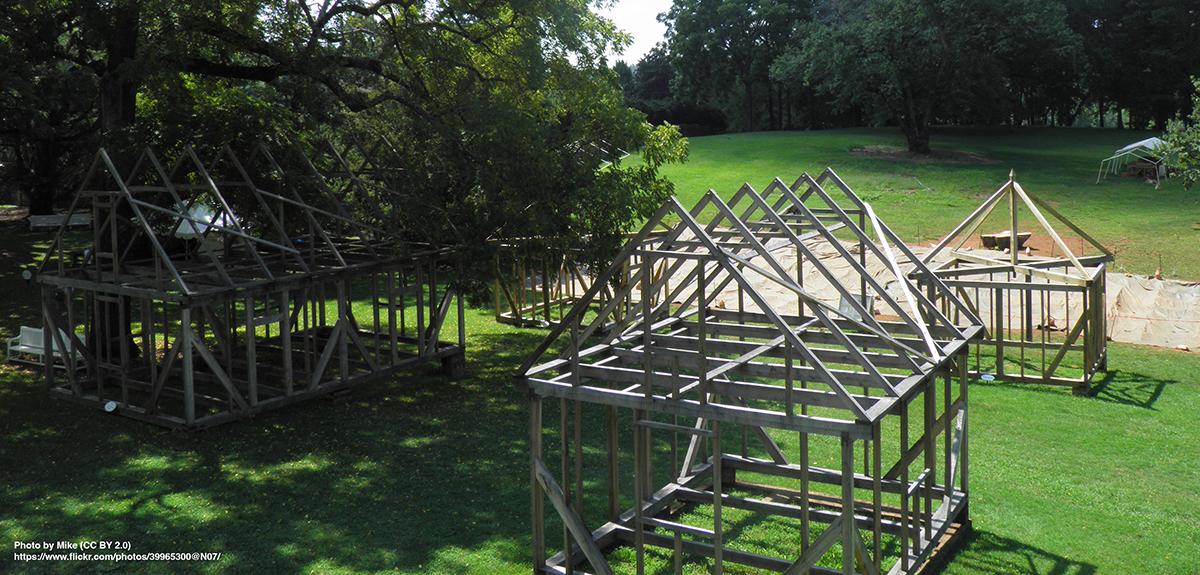
The Arc of Enslaved Communities is led by the Montpelier Descendants Committee (MDC) to honor and uplift Black descendant histories across nine counties in Central Virginia. The initiative focuses on significant sites including plantations, burial grounds, churches, and post-emancipation communities. It aims to recognize the lived experiences and cultural contributions of enslaved people and their descendants.
In 2023, the MDC selected the Center for Cultural Landscapes through a competitive request for proposals to develop a community engagement strategy. The resulting report outlines approaches to descendant-centered research and provides recommendations for commemorating important sites through parks, trails, green spaces, and other forms of public remembrance.
Project Leads from CCL:
Andrea Roberts, Faculty Director of the Center for Cultural Landscapes
Frank Dukes, Institute for Engagement & Negotiation
Justice Madden, Project Manager for the Center for Cultural Landscapes
Jennifer Saunders, Intermediate Research Specialist for the Center for Cultural Landscapes
The Texas Freedom Colonies Project
|
Image
|
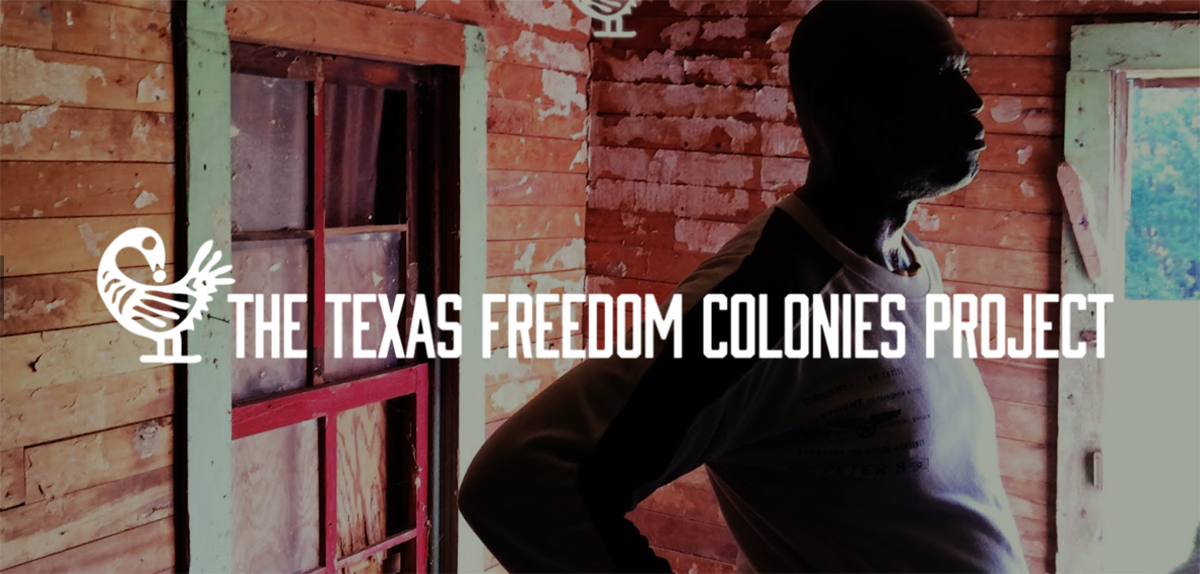
The Texas Freedom Colonies Project is an educational and social justice initiative dedicated to supporting the preservation of Black settlement landscapes, heritage, and grassroots preservation practices through research. To support freedom colonies’ community resilience, the Project engages in three core activities:
- Recording and safeguarding stories and materials associated with freedom colonies’ origins & decline
- Hosting and maintaining an interactive, publicly accessible Atlas & Database of freedom colony locations including GIS layers indicating development and ecological threats
- Identifying resources for and co-developing community resilience strategies and policies with freedom colony descendants using the contents of the Atlas and Database
The Project uses GIS analysis, archival research, and engaged ethnography, including oral histories. Team members create peer-reviewed scholarship, develop project-based learning for students, and provide evidenced-based support to grassroots and public preservation groups and agencies, which along with the Atlas, make freedom colonies more visible to those who can influence their chances of survival.
Project Leads from CCL:
Andrea Roberts is faculty director of the Center for Cultural Landscapes
Landscape Studies Initiative - Landscape Design: A Digital History
|
Image
|
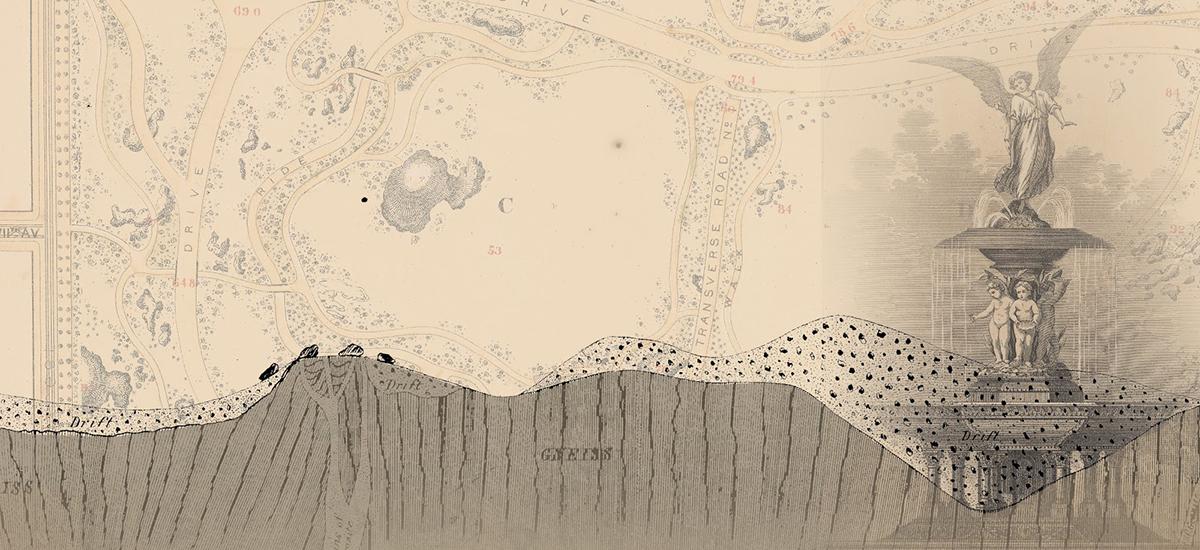
The UVA Landscape Studies Initiative Landscape Design, is a digital platform for reinvigorating the teaching of history of designed landscapes (urban, suburban and rural). It is based on landscape historian’s Elizabeth Barlow Rogers' Landscape Design: A Cultural and Architectural History (2001), a book that has been central to the teaching of landscape history in landscape architecture, architecture, urban studies and the environmental humanities. This survey of the history of landscape design chronicles thousands of years of humankind shaping the landscape, through design, to reflect and enable varied social practices and cultural values. Roger’s text and over 600 images are tagged, so readers can query for keywords that include designer’s names, project names and locations as well as landscape types. The beta version of the digital platform includes: a supplemental bibliography that includes sources written since 2001 when Roger’s book was published; and supplemental historical images of Central Park that were scanned from the UVA Library’s Reuben Rainey Collection. Under the resources tab, we provide links to other online sites that are useful for finding primary source materials—texts and images—related to the history of gardens, urban landscapes, parks and public spaces.
Project Leads from CCL:
Elizabeth K. Meyer is director of LSI, Center for Cultural Landscapes
Directors
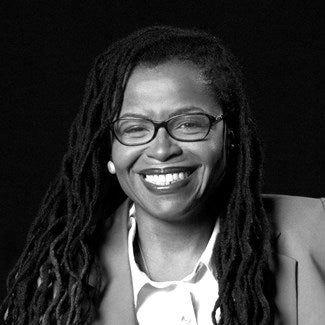
Andrea Roberts
Faculty Director, Center for Cultural Landscapes
Associate Professor, Urban + Environmental Planning
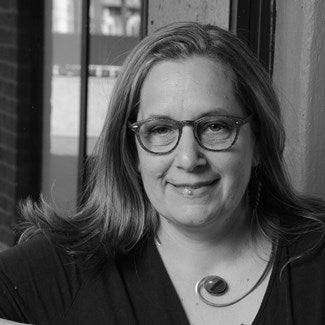
Jessica Sewell
Co-Director, Center for Cultural Landscapes
Associate Professor, Urban + Environmental Planning
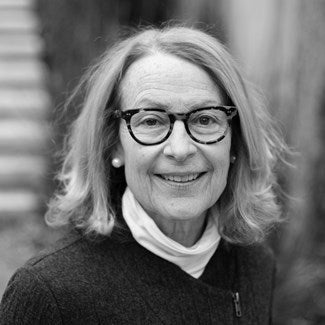
Elizabeth K. Meyer
Founding Director, Landscape Studies Initiative
Professor, Landscape Architecture