
ABOUT THE ASIAN URBANISM COLLABORATIVE —
Cities constitute most of cultural life and consume most of the world’s resources; Asian urbanization, by far the largest development of cities in the recent decades, is a complex development; it both enriches global cultural life and exacerbates the resource and pollution problems of the world. The cultural resources we can potentially deploy here are consequential; they are relevant to immediate mitigation through debate and design, and to long-term modifications of the discipline of architecture and urbanism as historically constituted in the image of the Euro-American city. The complex nature of the problem of the city necessitates collaboration; AUC aims to curate innovative scholarship that includes theoretical research in humanities, quantitative research in social sciences, and design research and practice to formulate critical and contextualized responses to today’s challenges of our constructed environments.
FOUNDERS —
Shiqiao Li, Weedon Professor in Asian Architecture [lishiqiao@virginia.edu]
Esther Lorenz, Associate Professor, Architecture [e.lorenz@virginia.edu]
CURRENT RESEARCH PROJECTS BY THE FOUNDERS —
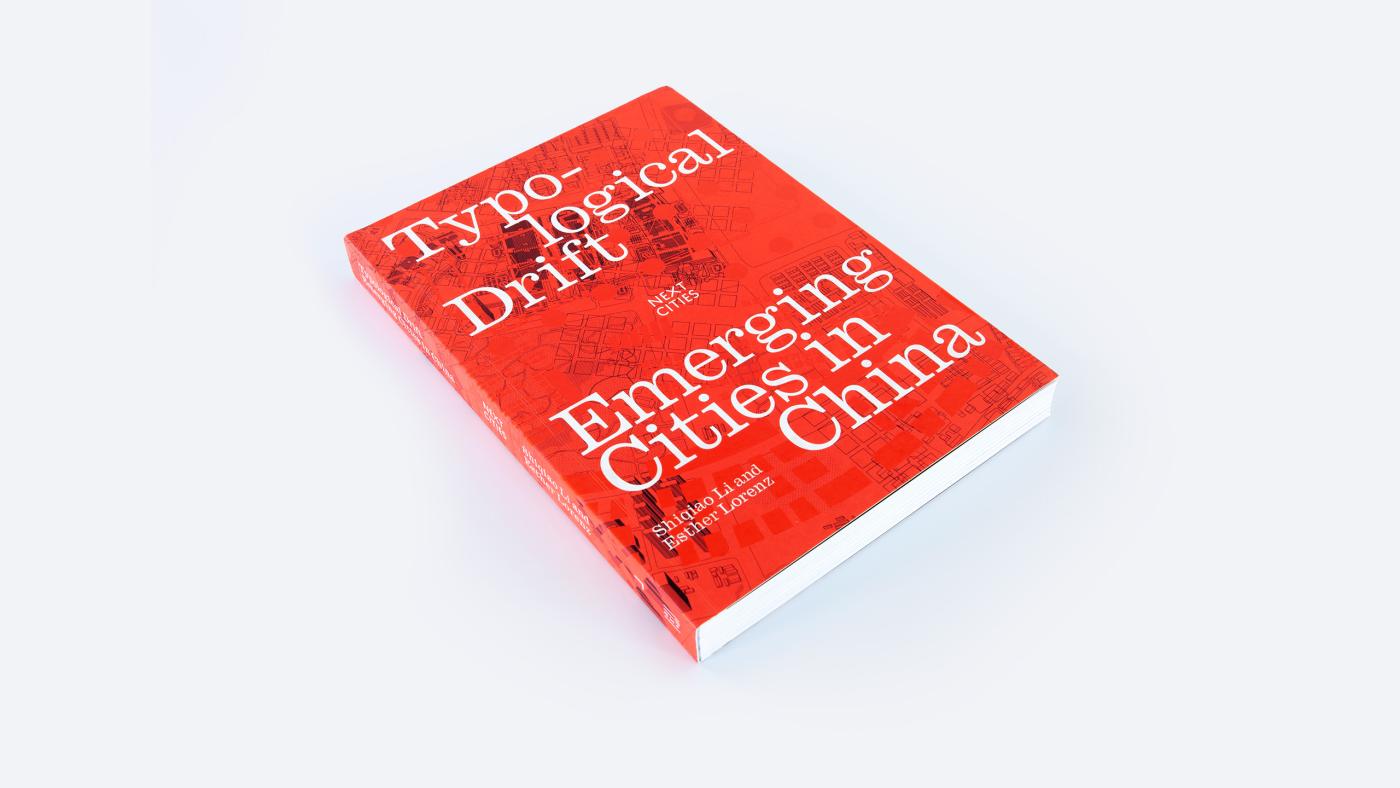
TYPOLOGICAL DRIFT: EMERGING CITIES IN CHINA
Typological Drift: Emerging Cities in China documents the impact of the Chinese culture on the development of city types in China in the past four decades, leading to surprising urban realities that often escape normative urban theories. Result of a decade of research by Shiqiao Li and Esther Lorenz in the two large city-regions in China, the Pearl River Delta and Yangtze River Delta, this book offers frameworks of understanding of China’s urban realities from within Chinese thought and language. At a time when globalization perpetuates extreme forms of sameness and fundamentalism, this book recalibrates a cultural understanding in urbanism by making both Chinese and Western urban principles “indigenous,” injecting a stronger sense of reflexivity in the process. It comprises an extensive photographic documentation and more than 60 original maps and drawings — these case studies with explanatory essays are framed within aspects of Chinese culture, and followed by a “typology page” that visually displays important parallel and/or contrasting examples side by side.
Authors: Shiqiao Li (UVA, Architecture), Esther Lorenz (UVA, Architecture)
Learn more about this publication.
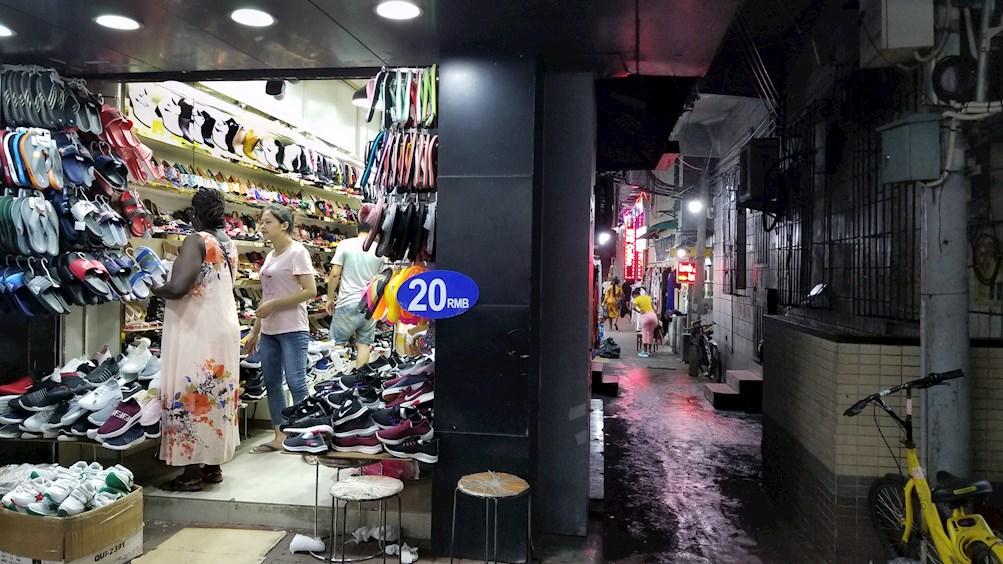
THE CHINESE COSMOPOLITAN CITY
Often perceived as a cultural singularity, China has a long history of multicultural realities both from northern and western frontiers (Xiongnu, Xianbei, Qiang, Mongol, Manchu) and from eastern seashore (Maritime trade); a twelfth-century document, Records of Foreign Peoples (zhufanzhi) lists 158 foreign places all the way to Tunisia, Libya, Alexandria, southern Spain (Almoravid dynasty), as well as 247 exotic products. This research aims to articulate a Chinese cosmopolitanism and an urbanism associated with it. Taking contemporary cities such as Yiwu and Quangzhou as case studies, we examine how both ancient and contemporary multicultural urban features differ from those formed by the pressure of resource extraction and colonization in Europe and America.
Presentations:
Shiqiao Li and Esther Lorenz, “The Chinese Cosmopolitan City”, speakers and panelists, Southern China Metropolis: The Urbanism of the Greater Bay Area, NYIT-Tsinghua University Symposium, 2020
Esther Lorenz, “Service Space”, paper presentation, 4th Conference of the International Forum on Urbanism (IFoU), Delft, Netherlands, Organizer: IFoU, 2009
Collaborations:
School of Architecture, South China University of Technology, Guangzhou
School of Architecture, China Academy of Fine Art, Hangzhou
Learn more about this project.
SUPPORTED COURSES —
The Asian Urbanism Collaborative supports courses connecting curriculum and research. These courses include:
Advanced Research Studios (graduate and undergraduate) focused on a trajectory of research titled Kinesthetic Montage Hong Kong that explores the unique relationship between film, dense urban space and movement in Hong Kong through the perspective of the perceiving human body in motion. This research also supports the School of Architecture’s summer Study Abroad China Program.
RESEARCH AFFILIATIONS —
The Asian Urbanism Collaborative’s affiliated research partners include:
coming soon
|
Image

|
ABOUT THE ARCTIC DESIGN GROUP —
The Arctic is a heterogeneous and rapidly transforming region that is at the frontline of climate extremes and climate change. Permafrost thaw, urbanization pressures, geopolitical and ecological tensions are just a few examples of changes that are already well underway, and these shifts have global-scale societal and environmental implications while directly impacting the livelihoods of people who call the Arctic home. Formed in 2013, the Arctic Design Group at the University of Virginia School of Architecture is a design research lab that addresses critical challenges in the region by working with partners across disciplines, sectors, institutions and community organizations. The synergy between architecture and landscape architecture firmly grounds much of the ADG’s multifaceted and action-oriented work—from geospatial analyses and exhibitions to science- and data-driven design and planning guidelines. The ADG is a founding member of the University of Virginia’s Arctic Research Center (UVA-ARC).
ADG DIRECTORS —
Leena Cho, Associate Professor, Landscape Architecture [lcho@virginia.edu]
Matthew Jull, PhD, Associate Professor, Architecture [mjull@virginia.edu]
SPONSORS (2013-Current) —
U.S. National Science Foundation, U.S. Environmental Protection Agency, American Geophysical Union, U.S. Embassy in Reykjavik, World Bank, La Biennale di Venezia, Anchorage Museum, Rotch Foundation, Graham Foundation, One Week Architecture, UVA Office of the Vice President for Research, UVA Jefferson Trust, UVA Center for Inquiry and Innovation, UVA Environmental Institute, UVA Institute for the Humanities and Global Cultures, UVA School of Architecture
SELECTED RESEARCH PROJECTS AT THE ARCTIC DESIGN GROUP —
Permafrost Management for Community Health and Resilience
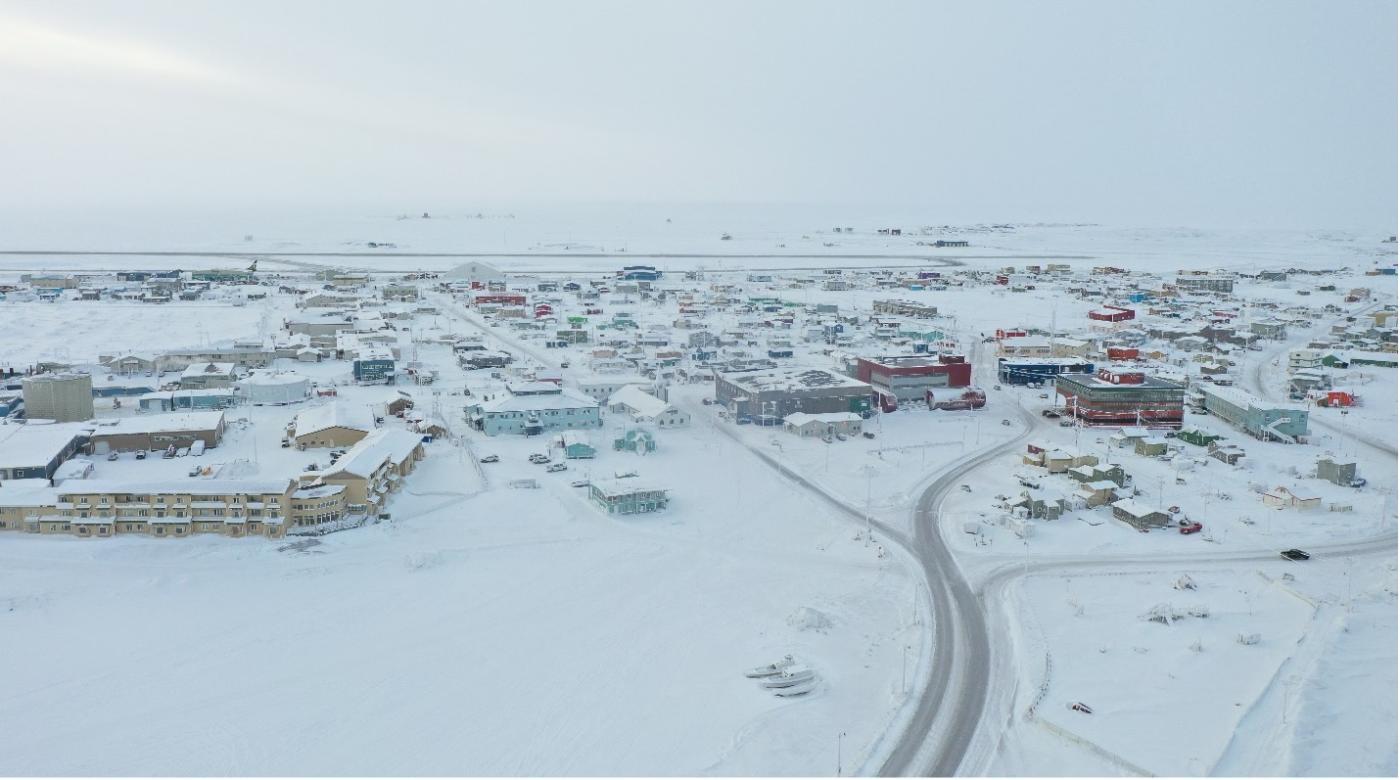
Awarded by the EPA’s Community Change Grant Program and facilitated by the UVA team, this project supports the implementation of nine critical infrastructure improvements that are designed to increase climate resilience and reduce pollution in Utqiaġvik, Alaska. The activities are: 1) conduct a comprehensive drainage study of the city to inform stormwater infrastructure upgrades and management, 2) implement these upgrades to better respond to increased precipitation, meltwater discharge, flooding and associated permafrost degradation, 3) connect unserviced homes to modern water and sewer system to improve sanitation and public health, 4) conduct a comprehensive feasibility study for PFAS remediation and removal and 5) algae bloom mitigation to protect the city’s drinking water lagoon, 6) upgrade and expand critical heavy-duty maintenance vehicles and tools that are better equipped for Arctic conditions and occupational safety, 7) expand workforce development programs to build and retain knowledge and create jobs in infrastructure and permafrost management, 8) enable stabilization of traditional ice cellars by installing thermosyphons with an upgraded drill rig, and 9) reduce or prevent flooding at the city’s only operating cemetery by restoring hydrological functionality of tundra.
UVA team: Leena Cho (Landscape Architecture; PI & principal project director), Matthew Jull, PhD (Architecture; co-PI), Howard Epstein, PhD (Environmental Sciences; co-PI), Caitlin Wylie, PhD (Engineering and Society; co-PI), Hannah Bradley, PhD (Engineering and Society; project associate)
Project partners: Barrow Utilities and Electric Cooperative Inc, North Slope Borough Department of Public Works, Inupiat Community of Arctic Slope, City of Utqiaġvik, University of Alaska Fairbanks Arctic Infrastructure Development Center
Location: Utqiaġvik (Barrow), Alaska
Duration: 2025-2028
Funding: U.S. Environmental Protection Agency; $20M (terminated by current federal administration)
Understanding and Managing Impacts of Snow & Water on Permafrost in Arctic Communities
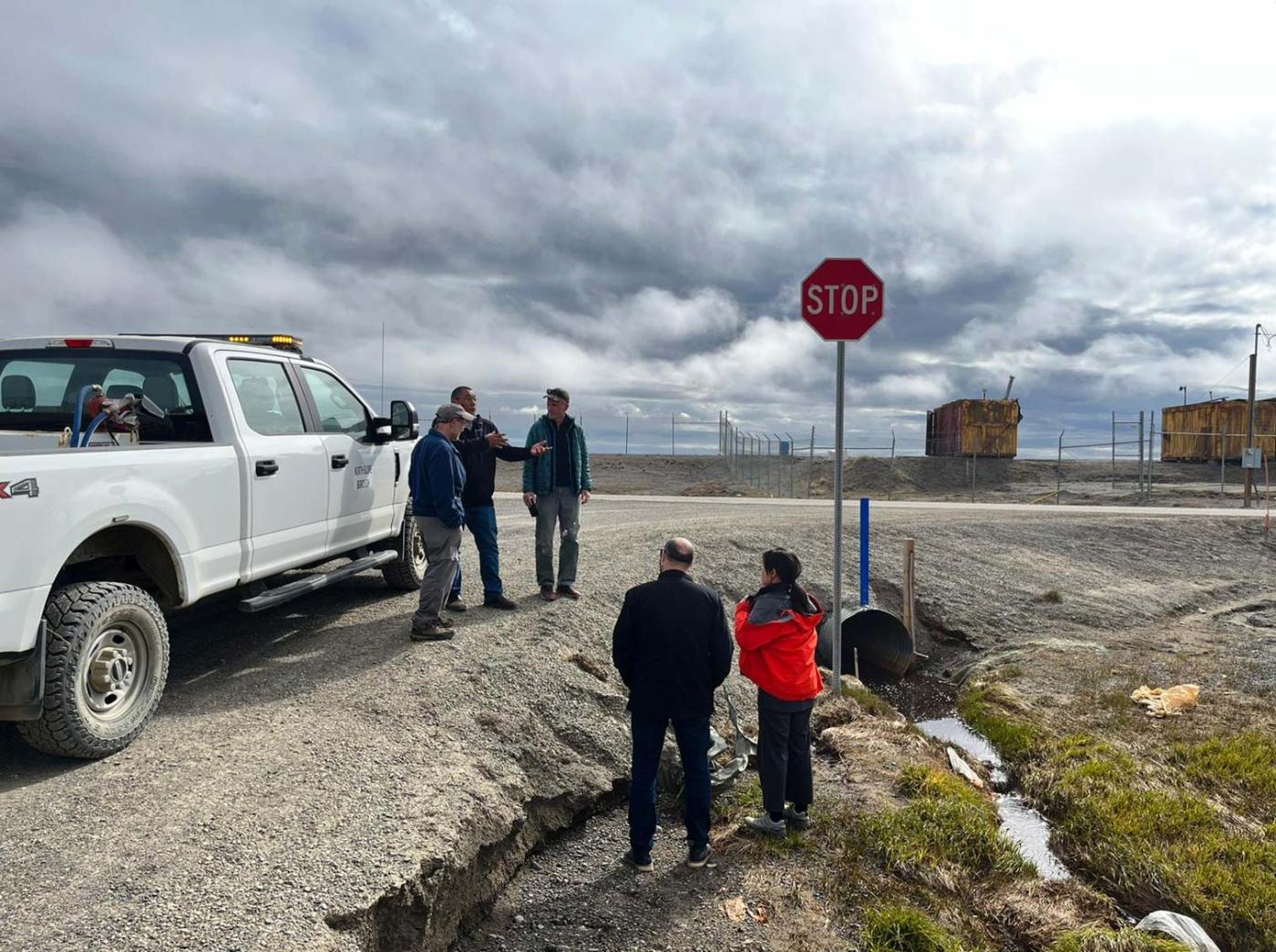
Accelerating changes in the Arctic environment, combined with a limited capacity of many smaller communities to respond and adapt to these changes, have constrained the ability of Arctic communities to mitigate adverse impacts of permafrost degradation. To respond to these challenges, our research team will address the following questions by partnering with community partners in Utqiaġvik and the North Slope region, AK: 1) how is climate change altering snow and surface water dynamics in the Arctic communities, and what are the associated spatiotemporal patterns?; 2) what are the implications of snow and water dynamics change for ground temperature and moisture regimes, and ultimately their effects on the depth of the active layer and the stability of the permafrost?; 3) how can we effectively use traditional and institutional knowledge in combination with field environmental sensing, remote sensing, and hydrological modeling to better understand these physical and social system processes, and promote solutions that work for the community members?; and 4) what design, planning, and maintenance strategies can be developed to enhance the longer-term stability of the underlying permafrost, while promoting ecological and cultural vitality?
UVA team: Leena Cho (Landscape Architecture; co-PI), Matthew Jull, PhD (Architecture; co-PI), Howard Epstein, PhD (Environmental Sciences; PI), Caitlin Wylie, PhD (Engineering and Society; co-PI), Hannah Bradely, PhD (Engineering and Society; postdoctoral research associate)
Research + community partners: TRIBN, Ukpeagvik Inupiat Corporation, North Slope Borough, USACE Cold Regions Research and Engineering Laboratory
Location: Utqiaġvik (Barrow) and North Slope Borough, Alaska
Duration: 2025-2028
Funding: University of Virginia Environmental Institute; $1.5M
Arctic, Climate, and Earthquakes: Seismic Resilience and Adaptation of Arctic Infrastructure and Social Systems amid Changing Climate
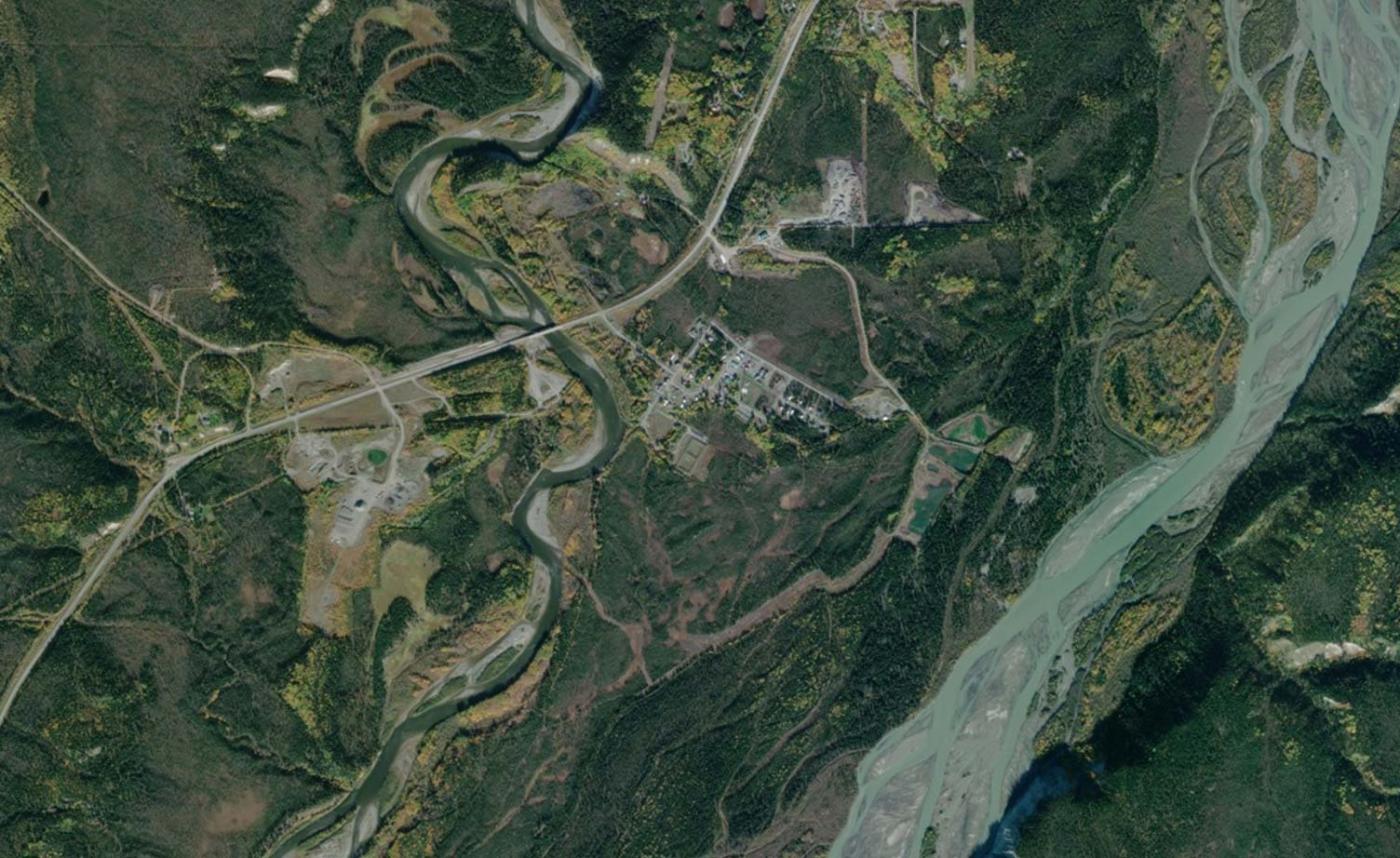
The state of Alaska and many other areas of the Arctic are seismically active, experiencing thousands of earthquakes with different magnitudes every year. Given the vulnerability of the Arctic to earthquakes and the accelerating environmental and social changes, it is critical to evaluate the resiliency of the region’s infrastructure to seismic events in the context of the natural environment, built environment, and social systems and understand how these changes interact and impact the region’s preparedness and response to earthquakes. The overarching goals of this NNA Collaborative Research project are to: 1) improve the fundamental understanding of the impact of Arctic changes on the region’s preparedness and response to future earthquakes through seismic monitoring/modeling, community engagement, and targeted investigations of the interactions between the relevant components of the natural environment, built environment, and social systems; and 2) enhance the seismic resilience of Arctic communities by providing them with the necessary training and tools to manage future earthquake-related disasters including planning, design, preparedness, mitigation, and recovery.
UVA team: Matthew Jull, PhD (Architecture; PI), Leena Cho (Landscape Architecture)
NNA Collaboratory team: University of New Hampshire, University of Georgia, Pennsylvania State University, University of Alaska Fairbanks
Research + community partners: Copper River Native Association, Rainrace-Iceland, AKDOT, Port of AK, AK-DHSEM, ASHSC, Alaska EQ Center, USACE-CRREL, Golder Associates, GEUS-Greenland, DPRI-Japan
Location: Copper River region, Alaska (for design)
Duration: 2023~2027
Funding: U.S. National Science Foundation; $199,958 / $3M total
Measuring Urban Sustainability in Transition: Co-Designing Future Arctic Cities in the Anthropocene

The Arctic is rapidly changing across the natural, built, and social environments in ways that put significant pressures on developing and implementing sustainability efforts in northern cities. This NNA Collaborative is driven by the following overarching question: How can community-defined sustainability indicators help policy makers develop effective governance systems and redesign the built infrastructure to meet the challenges of a changing environment and economy? By investigating the methods of collection and integration of natural, social and built environment data to devise indicators and evaluating planning and policy frameworks for sustainability in selected cities across the circumpolar north, the research aims to generate mechanisms for developing policy and design principles that can best meet the cities’ challenges.
UVA team: Matthew Jull, PhD (Architecture; PI), Leena Cho (Landscape Architecture), Aleksandra Durova (Urban Planning / UVA Environmental Institute Climate Fellow)
NNA Collaboratory team: George Washington University, University of Alaska, University of Northern Iowa
Location: Fairbanks, Alaska; Yellowknife, Canada; Luleå, Sweden
Duration: 2021~2026
Funding: U.S. National Science Foundation; $771,434 / $4,638,821 total
Understanding the Changing Natural-Built Landscape in an Arctic Community: An Integrated Sensor Network in Utqiagvik, Alaska

This highly interdisciplinary and community-driven research is located in Utqiagvik, Alaska and has three key objectives: 1) to characterize and understand how urban system components (buildings and infrastructure) interact with the surrounding air, ground, and water conditions via the deployment of micro-meteorological and aquatic sensors and geotechnical surveys; 2) to apply sensor data to generate environmental design analyses and design toolkits to address how current and future design and management of Utqiaġvik’s built environment can be improved; and 3) to study how our research team and Utqiaġvik partners communicate across disciplines and cultures to co-produce knowledge that is useful for residents and that informs science, social science and design process.
UVA team: Matthew Jull, PhD (Architecture; co-PI), Leena Cho (Landscape Architecture; co-PI), Howard Epstein, PhD (Environmental Sciences; PI), Caitlin Wylie, PhD (Engineering and Society; co-PI), Hannah Bradely, PhD (Engineering and Society; Postdoc), MacKenzie Nelson (Environmental Sciences, PhD candidate), Mirella Shaban (Environmental Sciences; PhD candidate), Valentina Ekimova (Environmental Sciences / Postdoc & UVA Environmental Institute Climate Fellow)
Research Collaborators: Luis Felipe Murillo (University of Notre Dame, Anthropology; co-PI), Tobias Gerken (James Madison University, Integrated Science and Technology), Claire Griffin (Allegheny College, Environmental Sciences & Sustainability)
Research + community partners: North Slope Borough, Barrow Utilities and Electric Cooperative Inc, Arctic Slope Native Association, Taġiuġmiullu Nunamiullu Housing Authority, TRIBN, Ukpeagvik Inupiat Corporation, USACE Cold Regions Research and Engineering Laboratory (CRREL), U.S. Department of Energy National Renewable Energy Research Laboratory (NREL)
Location: Utqiaġvik (Barrow), Alaska
Duration: 2021~2025
Funding: U.S. National Science Foundation; $3M
ADG STUDIOS (2013 - 2025) —
| 2024/Fall | City Built on Thawing Ground (traveling) | |||
| 2023/Winter | Navigating the New Arctic (traveling) | |||
| 2021/Winter | Landing Nome | |||
| 2020/Winter | Ground (traveling) | |||
| 2017/Fall | Altered States: Experiments in Design for Extreme Cold Climates (traveling) | |||
| 2016/Fall | Shishmaref: what does it take to move a village? | |||
| 2015/Fall | Northern Futures in Svalbard (traveling) | |||
| 2014/Fall | Arctic Design Group - Rethinking Fundamentals | |||
| 2013/Fall | Arctic Studio: Guide to Arctic Urbanization and Architecture |
ARCTIC DESIGN GROUP’S SELECTED FUNDED TRAVELING STUDIOS
The ADG has been bringing students in architecture and landscape architecture to various parts of the Arctic since 2015. The funded trips are typically organized as part of traveling design studios sponsored by numerous research and cultural organizations. We will continue to bring undergraduate and graduate students to the Arctic for them to learn from one of the most dynamic and rapidly changing regions on Earth and participate in highly collaborative design research informing science and community action.
*Note: Upcoming traveling studios in AY 2025-26, 2026-27 and 2027-28 will be funded by the UVA Environmental Institute.
CITY BUILT ON THAWING GROUND
|
Image
|
|
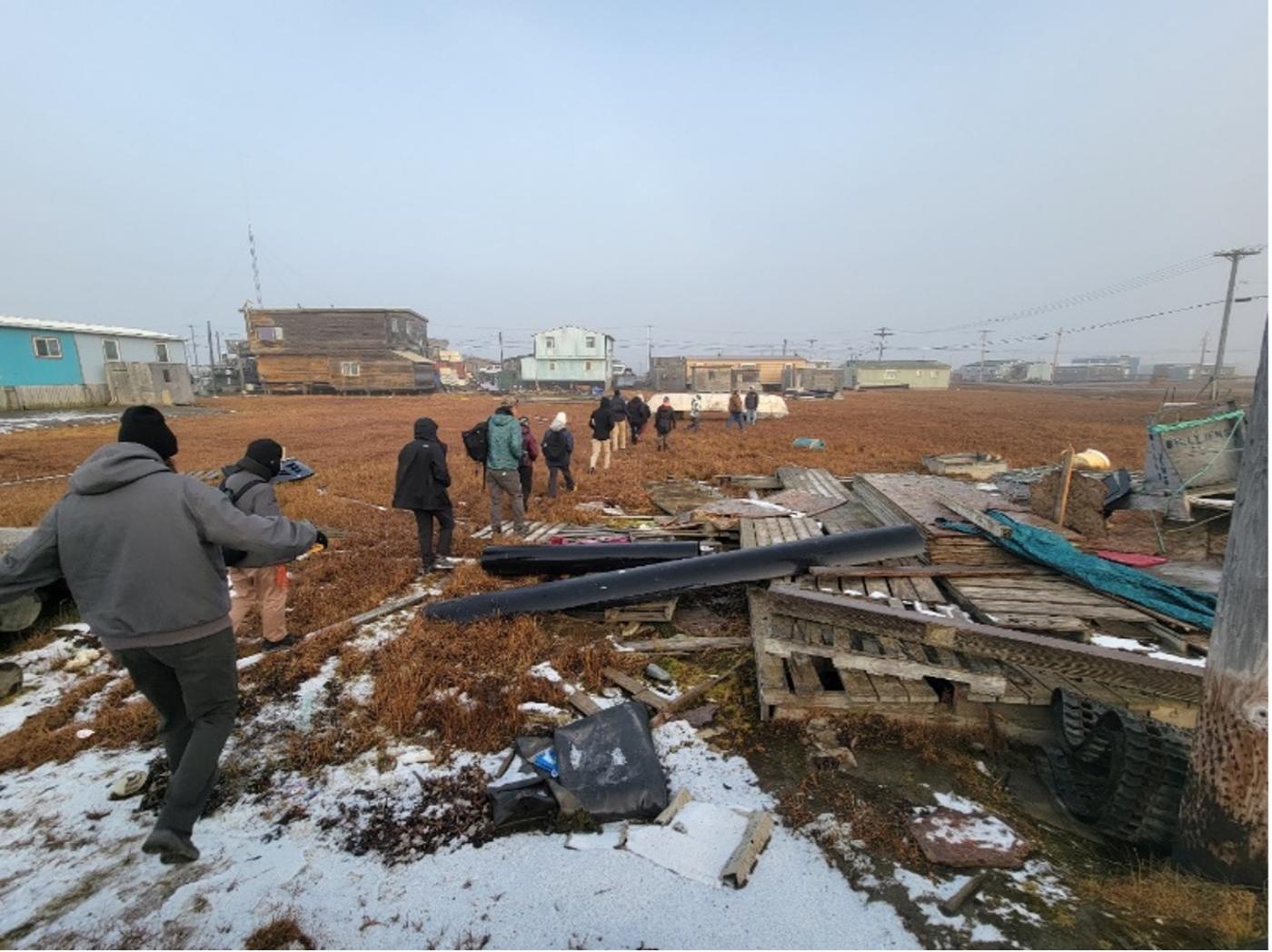
| Studio traversing the neighborhood in Browerville. Image: L. Cho / ADG Studio, 2024 | |
A 6-credit research studio offered in Fall 2024 for undergraduate architecture (ARCH 4010) and graduate-level architecture and landscape architecture students (ALAR 8010). Co-led and taught by ADG directors.
Location: Utqiaġvik, Alaska
Studio trip date: 9/29/2024~10/6/2024
Studio trip sponsor: U.S. National Science Foundation
NAVIGATING THE NEW ARCTIC
|
Image
|
|
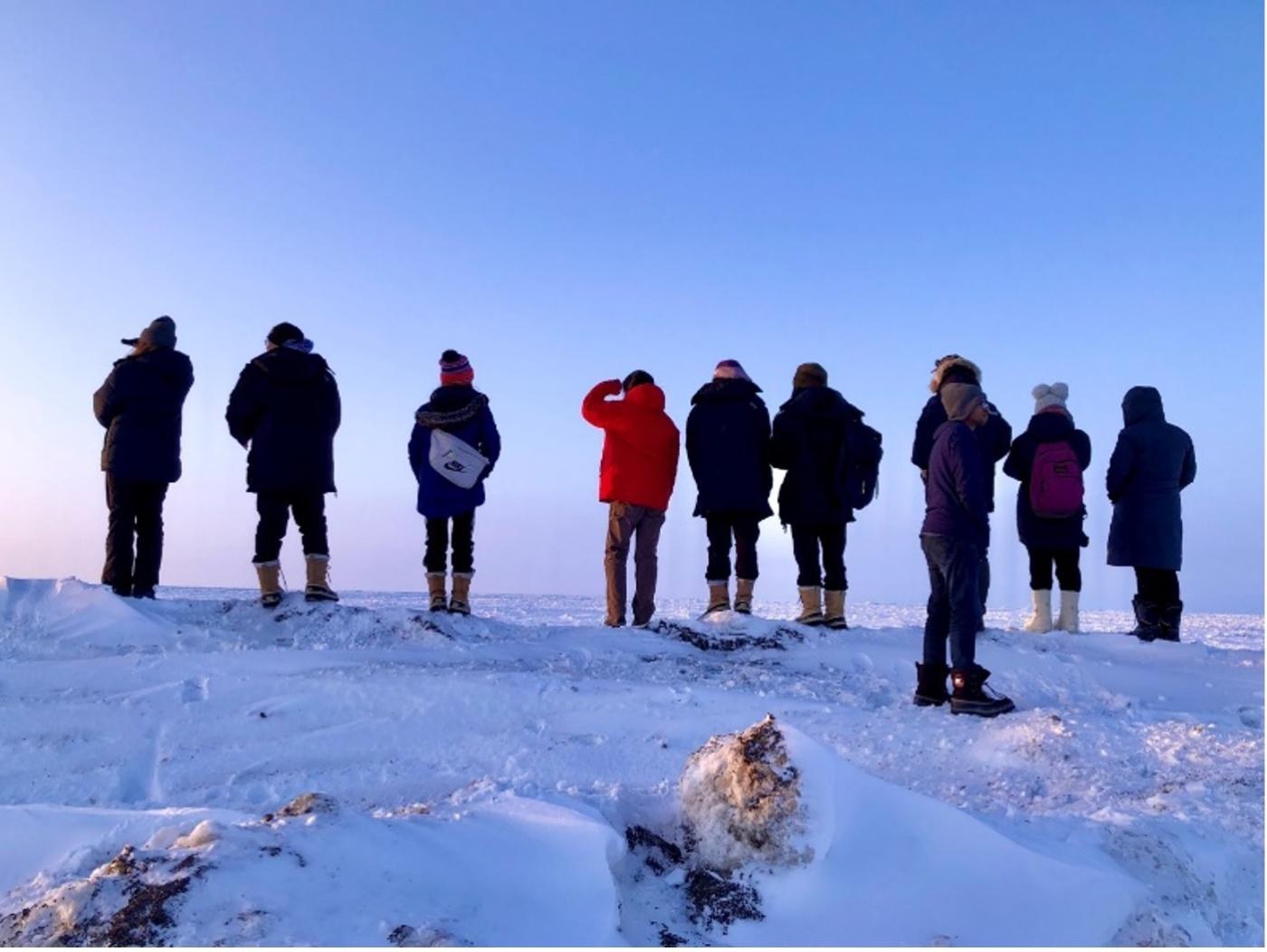
| Studio looking toward the frozen Arctic Ocean. Image: P. Tamminen / ADG Studio, 2023 | |
A 6-credit research studio offered in Winter/Spring 2023 for graduate-level architecture and landscape architecture students (ALAR 8020). Co-led and taught by ADG directors.
Location: Fairbanks and Utqiaġvik, Alaska
Studio trip date: 2/23/2023~3/3/2023
Studio trip sponsor: U.S. National Science Foundation
GROUND
|
Image
|
|
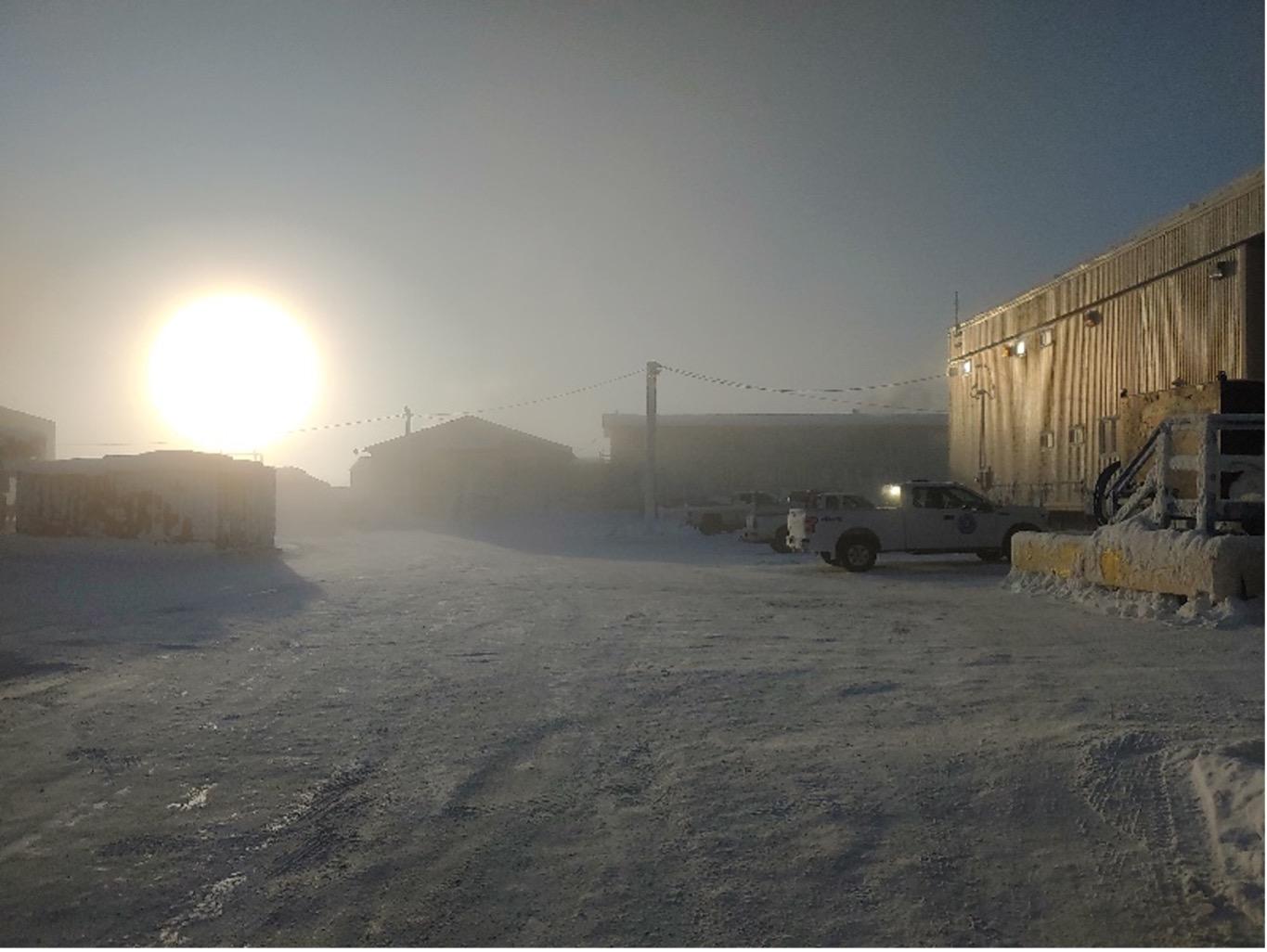
| View of Barrow town center. Image: L. Cho / ADG Studio, 2020 | |
A 6-credit research studio offered in Winter/Spring 2020 for graduate-level architecture and landscape architecture students (ALAR 8010). Co-led and taught by ADG directors.
Location: Fairbanks and Utqiagvik, AK
Studio trip date: 2/20/2020~3/1/2020
Studio trip sponsor: U.S. National Science Foundation, The Anchorage Museum, and the UVA School of Architecture.
ALTERED STATES: EXPERIMENTS IN DESIGN FOR EXTREME COLD CLIMATES
|
Image
|
|
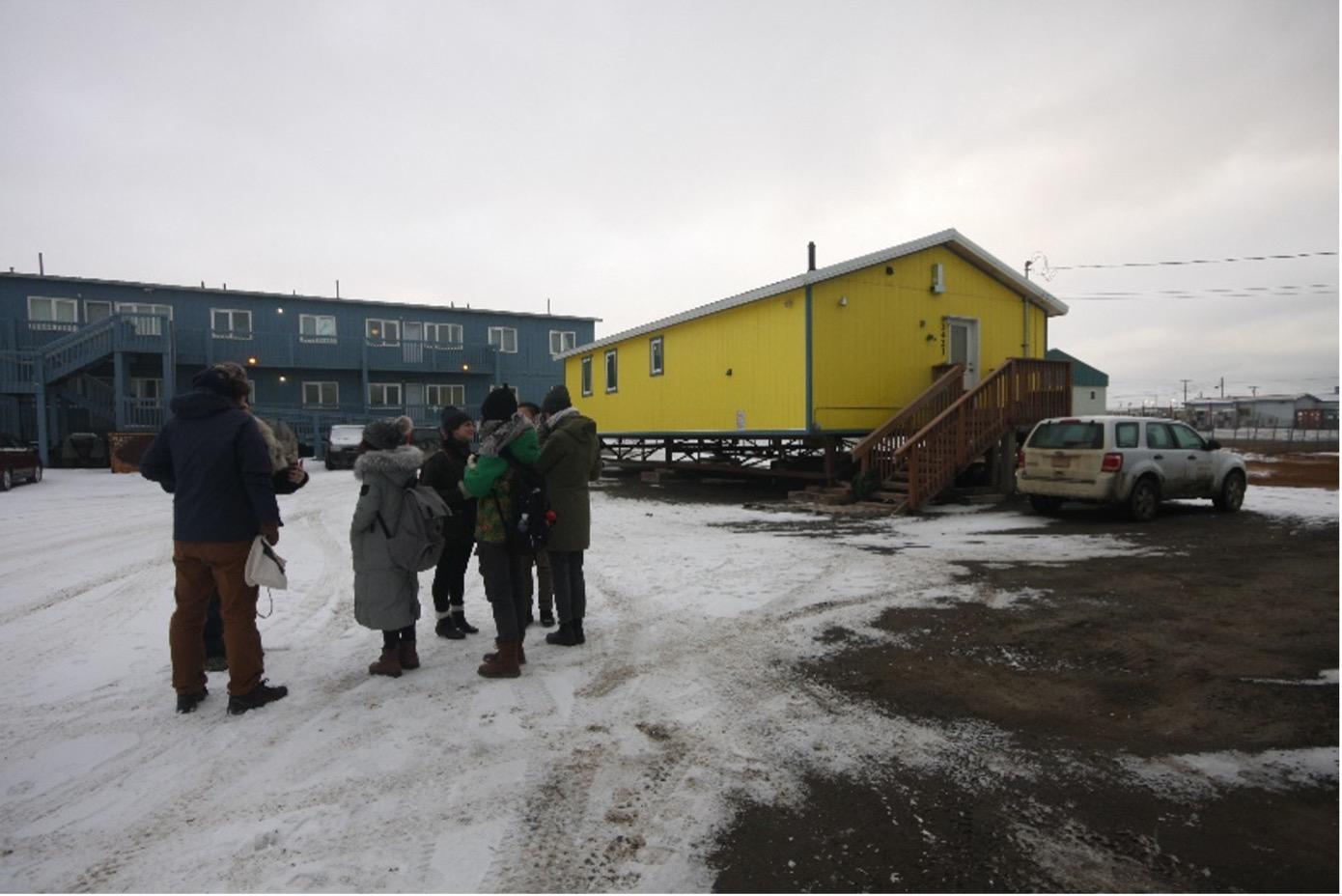
| View of Housing Prototype in Utqiagvik. Image: M. Jull / ADG Studio, 2017 |
|
A 6-credit research studio offered in Fall 2017 for undergraduate architecture, and graduate-level architecture and landscape architecture students (ALAR 8010). Led by ADG directors.
Location: Anchorage, Fairbanks, and Utqiagvik, AK
Studio trip date: 9/22/2017~10/1/2017
Studio trip sponsor: UVA Center for Global Inquiry and Innovation, The Anchorage Museum, and the UVA School of Architecture.
NORTHERN FUTURES IN SVALBARD
|
Image
|
|
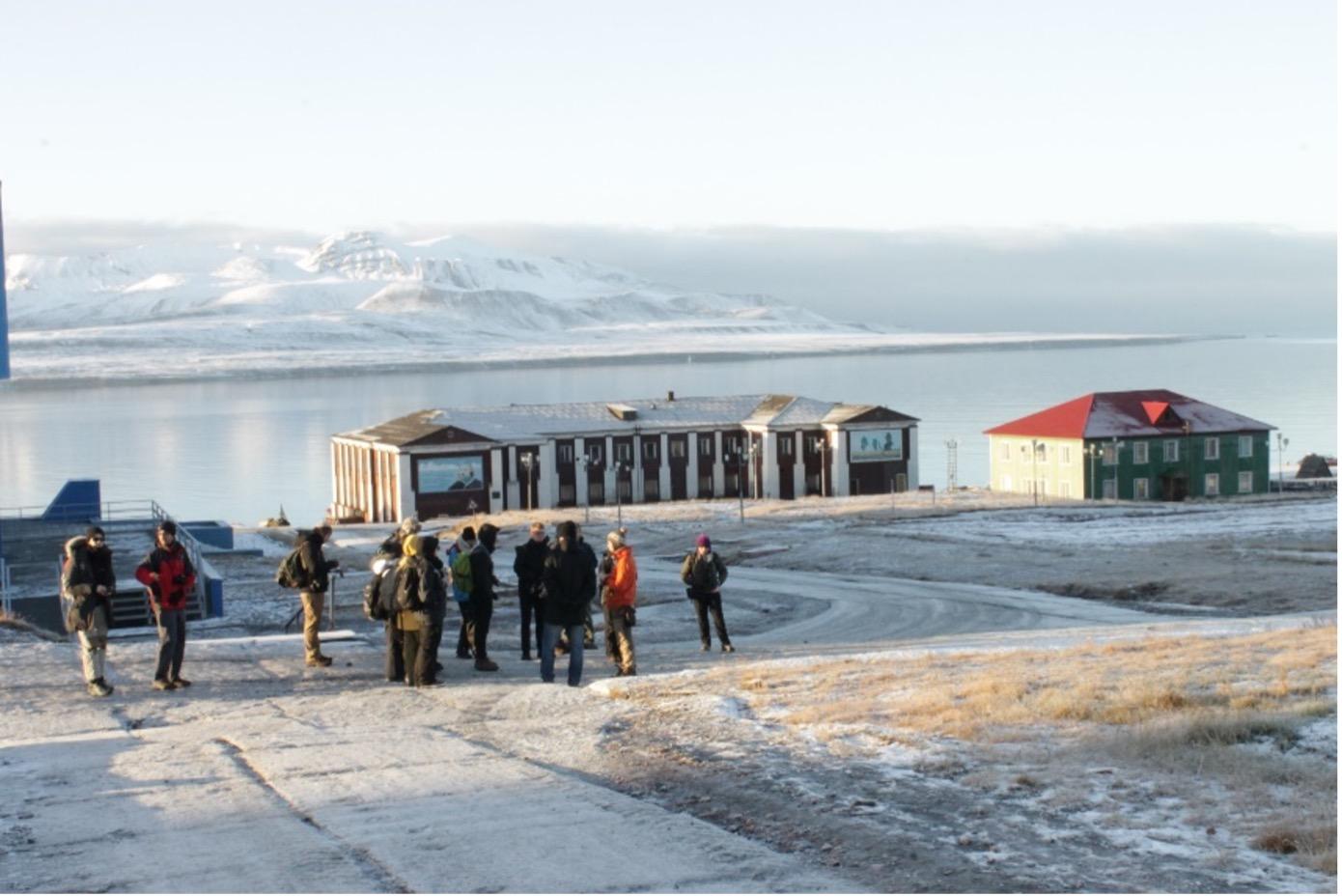
| Studio in Barentsburg, a coal mining town in Svalbard. Image: M. Johnson / ADG Studio, 2015 | |
A 6-credit research studio offered in Fall 2015 for undergraduate architecture (ARCH 4010) and graduate-level architecture and landscape architecture students (ALAR 8010). Co-led and taught by ADG directors.
Location: Longyearbyen, Barentsburg, and Pyramiden in Svalbard, Norway
Studio trip date: 10/7/2015~10/17/2015
Studio trip sponsor: Rotch Foundation, UVA Center for Global Inquiry and Innovation
ABOUT THE BEFORE BUILDING LABORATORY —
We engage emerging technologies to work with natural materials and processes in new ways, reframing the relationship between biology, technology, and authorship. We seek to advance the accessibility of computation and robotic construction, leveraging democratized and consumer-grade technologies as well as inventing and building low-cost ground-up construction systems. Current projects focus on rapidly renewable biomaterials, including wood, bamboo, grass, various invasive plant species, and hemp.
LAB DIRECTORS —
Katie MacDonald, AIA NCARB, Assistant Professor, Architecture [kmacdonald@virginia.edu]
Kyle Schumann, Assistant Professor, Architecture [schumann@virginia.edu]
CURRENT RESEARCH PROJECTS AT THE BEFORE BUILDING LABORATORY —
TANGENTIAL TIMBER
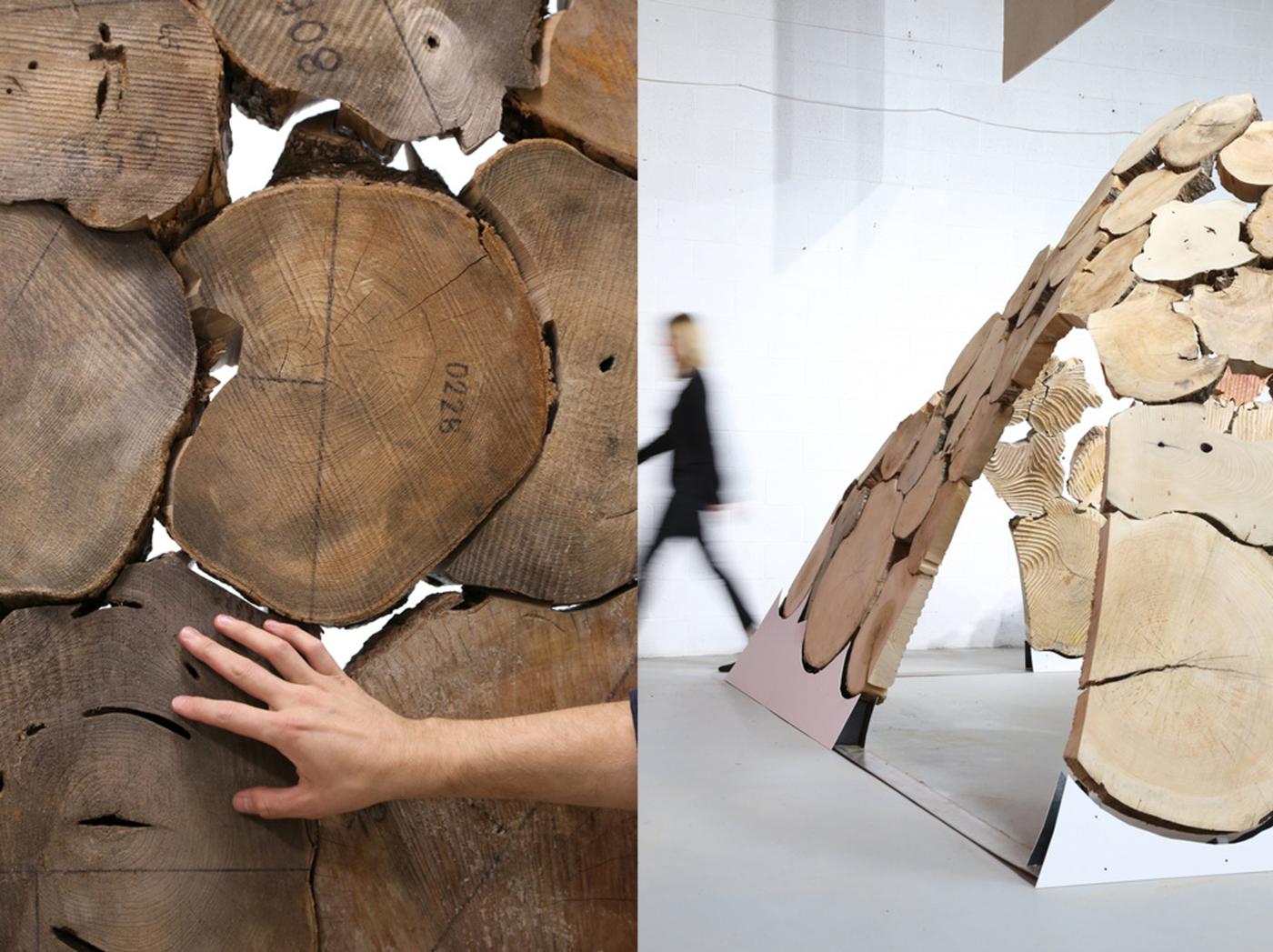
Tangential Timber advances circular construction, customization, and democratization of technology by (1) developing a structural application for carbon-sequestering, non-linear wood, (2) piloting methods for adapting designs to non-standard material stock, and (3) lowering the cost and data intensity of digital imaging techniques. Non-linear wood is an underutilized material, available globally but limited in use due to the constraints of sawmilling. Tangential Timber defines a methodology in which logs that are curved, irregular in cross section, or otherwise unfit for lumber, are cut into cross sections, cookies. A low-tech, parametric digital imaging workflow was developed in which cookies are photographed and traced in 2D, then translated into 3D models. The digital cookies are sorted across a designed form, then inscribed with a set of joints. Fabrication requires minimal part reduction with a 5-axis waterjet. CNC routing adds surface continuity across a patchwork of irregular structural blocks. This timber masonry system is designed for disassembly: structural blocks are joined with minimal hardware, allowing for assembly, disassembly, and reuse.
Project Team: Kyle Schumann (UVA, Architecture, PI), Katie MacDonald (UVA, Architecture, PI), Abby Hassell (UVA, Architecture alumna, Project Manager)
Research Assistants: Cecily Farrell, Alex Hall, Caleb Hassell, Dillon McDowell, Sonja Bergquist, Sophie Depret-Guillaume, Abbey Partika, Russell Petro, Emily Ploppert, Jonathan (Yianni) Spears, Jolie Talha, Annabelle Woodcock
Funding: UVA Jefferson Trust Flash Funding, UVA Center for Global Inquiry and Innovation Faculty Global Research with Undergraduates Grant
Awards: Architect Magazine R+D Award, 2022; The Architect’s Newspaper Best in Digital Fabrication Award, 2022; AIA Central Virginia Bi-Annual Design Awards, Honor Award in Architecture, 2022
Learn more about this project.
MASS GRASS
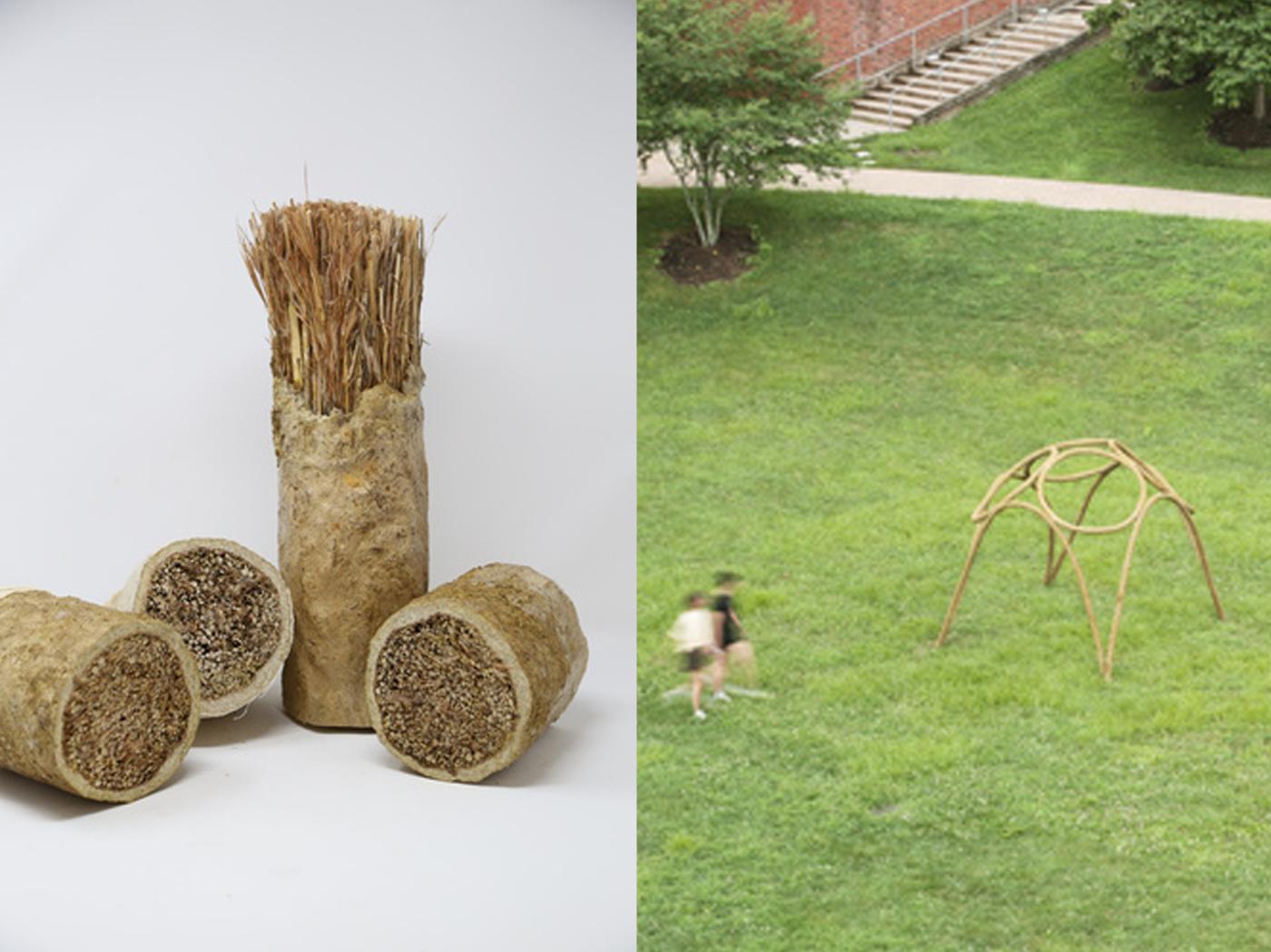
Mass Grass seeks to advance applications for the common, abundant, and rapidly-renewable poaceae (grass) family as material which grows globally and with which nearly the entire plant can be utilized, as compared to the many offcuts of timber. Historically, poaceae has been used in thatch roofing and bundled, vernacular structures, while modern applications are limited to lightweight composites, acoustic panels, and insulation. With the exception of bamboo, the potential of grasses has been overlooked due to perceived shortcomings and lack of test methods needed to characterize small-diameter fibers which are highly anisotropic, fragile, and difficult to grip.
This research aims to develop a comprehensive framework for characterization of poaceae and poaceae-based composites and pilot structural applications of this material. The project brings together a multidisciplinary team of four scholars/disciplines to leverage and synthesize well-established elements of composite mechanics, structural engineering, environmental science, and architectural design.
Project Team: Katie MacDonald (UVA, Architecture, PI), Marek-Jerzy Pindera (UVA, Engineering, PI), Jose Gomez (UVA, Engineering, PI), Deborah Lawrence (UVA, Environmental Sciences, PI), Kyle Schumann (UVA, Architecture), Brandon Dennis (UVA, Architecture, Project Manager)
Research Assistants: Ephrata Johannes, Kristopher Kollias, Rachel Lee, Reagan McCullough, Brandon Meinders, Liv Orlando, Elizabeth Tatham, Julia West, Heze Chen
Funding: UVA 3 Cavaliers
SUPPORTED COURSES —
The Before Building Laboratory supports courses in the Department of Architecture connecting curriculum and research. These courses include:
Advanced Research Studios (graduate and undergraduate) and Design Thinking Studios (undergraduate).
These studios, that take on distinct semester-long projects, emphasize a range of topics connected to the Before Building Laboratory including hands-on fabrication, protoyping, and materials research through design-build pedagogy. Select studios also integrate the mandate for environmental ethics across architecture, construction, planning and policy, considering aspects of maintenance and decommissioning of buildings.
RESEARCH AFFILIATIONS —
Before Building affiliated research partners are also leading innovative work in the areas of biomaterials:
UVA Sawmilling
J TERM 2026
JANUARY 1 - JANUARY 10, 2026
APPLICATION DEADLINE: OCTOBER 1, 2025
LEARN MORE AND APPLY
Information Session
-
Tuesday September 23, 5pm
Campbell Hall, 153
Apply for School of Architecture Study Abroad Funding for J-Term 2025
This course provides firsthand, direct knowledge of Renaissance and Baroque art and architecture through an intensive program of on-site visits in Rome. The course complements the extensive on-grounds teaching in Renaissance and Baroque art and architecture at the University.
The goal of this course is twofold. First, it gives students a deeper understanding of the specificity of objects and sites, that is, their materials, texture, scale, size, proportions, colors, and volumes, all elements that are almost completely lost in classroom teaching, which is entirely based on digital images. Second, it provides students with a full understanding of the importance of original location for the interpretation of Renaissance art. Unlike modern art, Renaissance & Baroque art was originally tied to a defined location and made to serve a specific purpose, be it devotional, civic, or celebratory. Guided by these two notions, the course is based on extensive walks through the urban fabric of Rome and in-depth visits to works of art and architecture.
On-site visits combine lectures with active student participation, so that students practice on-site strategies to analyze, decode, and interpret Renaissance art and architecture through the visual and material clues contained in the works of art themselves.
The course meets daily for approximately 5 hours (excluding breaks and meals).
This program is open to undergraduate students from across the University with a strong interest in the history of art and architecture.
The program is based in Rome, the capital of Italy. The city of nearly 3 million residents is located along the shores of the Tiber River in the central-western portion of the peninsula. Rome was founded in 753 BCE and is one of the oldest continuously occupied cities in Europe. The historic city center is listed as a UNESCO World Heritage Site.
Renaissance & Baroque Rome
ARTH 3255 or ARH 3500; 3 credits
This three-credit course, ARTH 3255 ("Renaissance Art on Site") or ARH 3500 ("Special Topics in Architectural History: Renaissance and Baroque Rome"), provides firsthand, direct knowledge of Renaissance and Baroque Art and Architecture through an intensive program of on-site visits in Rome.
-
Architectural History students: this course fulfills the European or Mediterranean requirement.
-
Art History students: this course fulfills either the Europe world region requirement or the 1400-1800 historical period requirement.
-
College of Arts & Sciences students in the Traditional Curriculum: it fulfills the Fine Arts requirement. In the New Curriculum, ARTH 3255 counts for one of two categories: Artistic, Interpretive, & Philosophical Inquiry or Historical Perspectives.
ARH 3500 / ARTH 3255 Sample Syllabus
Lisa Reilly
lar2f@virginia.edu
Program Director
Lisa Reilly is the Commonwealth Professor of Architectural History and received her Ph.D. from the Institute of Fine Arts, New York University. She joined the University of Virginia in 1990. Her most recent book, The Invention of Norman Visual Culture: Art, Patronage, and Dynastic Power was published by Cambridge University Press in 2020. She was the Fulbright fellow in the History of Art at the University of York, England in 2015. Ms. Reilly has taught on site for a wide variety of UVA abroad programs including many previous January terms in Italy. She is the undergraduate program director for the Department of Architectural History.
Shelley Zuraw
Shelley Zuraw is a Josiah Meigs Distinguished Teaching Professor at the University of Georgia where she has taught since 1992. She received her MA and PhD from the Institute of Fine Arts, New York University. She teaches Renaissance and Baroque art across Europe, but her research focuses on Renaissance sculpture, especially in Florence and Rome. She has published articles on a wide variety of sculptural topics, including several on tombs, one on Medici portraits; another on the fifteenth-century plans for the façade of Santa Maria del Fiore; and a series of articles on marble carvers including Mino da Fiesole, Desiderio da Settignano and Antonio Rossellino, Andrea Bregno and Michelangelo.
SUMMER 2026 IS FULLY ENROLLED. SUMMER 2027 INFORMATION AVAILABLE JANUARY 1, 2027.
At UVA Design Discovery participants engage in both academic and real-world settings through design/build workshops, an architecture firm visit, and a tour of an active construction site. Our daily ‘I See Me’ lunch and learn series features conversations with a diverse cross-section of professionals, faculty, and students. Each session culminates in a 'Celebration of Work' exhibition with food, families, and community partners.
SUMMER 2026 PROGRAM DATES + TIMES
-
Session 1: Monday June 08 – Saturday June 13, 9am - 4pm*
-
Session 2: Monday June 22 – Saturday June 27, 9am - 4pm*
*Overnight students will arrive with luggage at start of session, board overnight in dormitories, and leave after clean out by 5:30pm on Saturday.
PROGRAM LOCATION
We will begin and end each day at the UVA School of Architecture’s Campbell Hall (110 Bayly Drive, Charlottesville, VA, 22903), taking advantage of our building's studio space, FabLab, and design software. The program will include visits to locations in Charlottesville and across UVA Grounds via walking tours and public transportation. Dormitory stay is available for non-local (overnight) participants.
The mission of Design Discovery is to provide access to design education, meaningful learning experiences, and positive impact through youth, community, and UVA student-centered objectives:
YOUTH-CENTERED OBJECTIVES
-
Activate creative minds, build collaboration skills, and empower youth through hands-on learning in new immersive environments.
-
Raise awareness of career pathways within the building industry and the design professions
-
Foster a sense of belonging for youth participants
COMMUNITY-CENTERED OBJECTIVES
-
Present the UVA School of Architecture as a "great and good" neighbor and an inspiring presence to local youth, families, and community leaders
-
Contribute to regional education initiatives and provide access to career-learning and technical education
UVA STUDENT-CENTERED OBJECTIVE
-
Maintain a fellowship program that invites current UVA students to co-author the program, building a skillset in education, public service, and community engagement.
Design Discovery seeks to provide a meaningful and transformative experience to high school students through engaged, hands-on learning. The program invites youth to be empowered by seeing their ideas come to life through design thinking and making.
Applicant Eligibility:
-
Rising 10th to 12th grade students, ages 15–18 by the start of the program are encouraged to apply.
-
Design-curious candidates are encouraged to apply.
Session Ratio:
-
(1) Program Director, (4-6) UVA Student Fellows, (2) Overnight Student Fellows
-
20 students per session: a maximum of (10) overnight students per session
Application Process:
-
Submit this form by the application deadline listed in the program schedule below.
-
Consult the Design Discovery FAQs for guidance.
-
Direct application questions to Program Director, Kyle Sturgeon at sturgeon@virginia.edu
We are committed to eliminating cost as a barrier to entry and fundraising to support underrepresented students who wish to explore design education. Design Discovery uses a tiered tuition model, with scholarships awarded based on merit of applicant statements and self-identified household income tiers.
Our day program tuition fee includes all instruction, speakers, necessary workshop materials, and a nutritious daily lunch. There is an additional $250 fee for overnight participants that affords dormitory stay, additional meals, and evening activities.
| Tiered Tuition Model | ||
|---|---|---|
| Total Household Income |
Tuition |
|
| Tier 1 (< $100k) |
tuition fees are waived* | |
| Tier 2 ($100-160k) |
$1,350 day-program / $1,600 overnight program |
|
| Tier 3 ($160k+) |
$1,650 day-program / $1,900 overnight program | |
| *Tier 1 families may receive a request for additional information to qualify | ||
| Deadlines + Calendar | ||
|---|---|---|
| Saturday December 6, 11 am (EST) |
Virtual Info Session #1 (Zoom); sign-up here | |
| Saturday January 10, 11 am (EST) |
Virtual Info Session #2 (Zoom); sign-up here |
|
| Saturday February 7, 11 am (EST) |
Virtual Info Session #3 (Zoom); sign-up here |
|
| Friday February 27 |
Early Application Deadline | |
| Saturday March 7 | Round 1 Applicants Notified of Status (Invitation to Register, or Waitlist) | |
| Saturday March 14, 11 am (EST) |
Virtual Info Session #4 (Zoom); sign-up here | |
| Friday April 3 | Final Application Deadline | |
| Saturday May 2 |
All Applicants Notified of Status | |
| Saturday May 23 | Deadline to Register, all Sessions and Participants | |
| Monday June 08 - Saturday June 13 | Design Discovery 2026 Summer Session 1 | |
| Monday June 22 - Saturday June 27 | Design Discovery 2026 Summer Session 2 | |
The Real Estate Design and Development graduate certificate program provides an opportunity for graduate students in all four disciplines (Architecture, Architectural History, Landscape Architecture and Urban + Environmental Planning) in the UVA School of Architecture, and in other affiliated UVA Schools, to expand their professional training to achieve a fundamental understanding of the dynamics and processes of private for-profit and non-profit real estate design and property development.
The program recognizes that real estate development is inherently interdisciplinary — sitting at the intersection of architecture and design, law, finance, engineering, planning and government. The certificate is designed to provide graduate students with specific knowledge and skills regarding the economic, financial, social, and legal dimensions of real estate and property development. Students will gain foundational knowledge of real estate practice, and learn to harness and integrate building form, design, financing innovation and development.
This certificate program is unique in how it reflects the School's long-standing commitment to environmental sustainability, social equity, public service and design excellence. Its curriculum emphasizes the importance of design and community engagement in real estate development, while infusing business acumen into the design and planning curriculum. The program takes full advantage of pan-University partnerships with the McIntire School of Commerce, the School of Engineering and Applied Sciences, the Darden School of Business, and the School of Law providing true cross-disciplinary opportunities for students.
16 CREDITS
The Graduate Certificate in Real Estate Design and Development requires a completion of 16 credits of coursework at the graduate level. Current students enrolled in the Real Estate Design and Development certificate program must consult UVA's Graduate Record for the official requirements for this certificate.
UVA School of Architecture graduate students are eligible to apply for admission to the Real Estate Design and Development certificate program. Applicants must complete:
-
At least one semester in a graduate degree program in the School of Architecture with good academic standing.
No transfer credits will be accepted.
The Real Estate Design and Development graduate certificate program curriculum will provide a core foundation in the knowledge and skills required in real estate property development. The core courses will provide specific background and education in key facets of the real estate development cycle, including land use planning, policy and regulation; real estate finance and investment; and project design and implementation. Students will also learn to analyze and navigate the economic, political, social, physical, and environmental issues that surface in complex real estate development projects.
Students will be required to participate in a studio course. They will have the opportunity to collaborate on a team and apply the knowledge and skills they have obtained to a real-life real estate development project, including preparation of the materials necessary for site analysis and design, project finance, and public approval.
Real Estate Design and Development graduate certificate program consists of 16 credit hours of graduate level courses.
Specific course numbers and course requirements are posted through UVA Graduate Record. An outline of curricular requirements is shared through the "Real Estate Design and Development Courses" section below.
The following list of course descriptions present the range of course offerings at UVA School of Architecture related to real estate design and development. Not every course will be offered every semester.
Consult with the Real Estate Design and Development Program Director to learn more about current and future course offerings that apply to this graduate certificate.
REAL ESTATE DESIGN AND DEVELOPMENT CORE REQUIRED COURSES:
Four core required courses comprise 13 credits of the certificate program:
PLAN 5200 - REAL ESTATE DEVELOPMENT PROCESS (3 credits)
Focuses on the fundamentals of the real estate development process, from basic real estate relationships (developers, lenders, the public), through location/land acquisition decisions, property rights, risk management, ethics, preliminary due diligence, and more.
PLAN 5220 - REAL ESTATE FINANCE FUNDAMENTALS (3 credits)
Investigates the role of finance in development with an emphasis on value creation; familiarizes students with the diverse ways of financing real estate projects; requires students to apply financial knowledge to self-selected real estate projects, including development of required financial documents and proforma.
PLAN 5230 - DESIGN DIMENSIONS OF REAL ESTATE (3 credits)
Explores the reciprocal relationship of design and real estate principles and how they add value to each other in creative design and engaged planning for successful real estate projects.
PLAC 5250 / ARCH 5250 - APPLIED REAL ESTATE (4 credits)
Synthesizes students’ skills and knowledge through application of the real estate development process in a specific geographic and socio-economic setting.
REAL ESTATE DESIGN AND DEVELOPMENT ELECTIVE COURSES:
Electives include a variety of courses in the Department of Urban + Environmental Planning and across Schools at UVA. Students are required to take at least one elective (3 credits).
PLAC 5240 – COLLABORATIVE PLANNING PROCESS FOR SUSTAINABILITY (3 credits)
PLAN 5205 – REAL ESTATE + AFFORDABLE HOUSING (3 credits)
PLAN 5210 – THE REAL ESTATE DEVELOPMENT PROCESS II (3 credits)
PLAN 5300 – PRESERVATION PLANNING (3 credits)
PLAN 5400 – HOUSING AND COMMUNITY DEVELOPMENT (3 credits)
PLAN 5401 – MODELS OF HIGH-DENSITY HOUSING (3 credits)
PLAN 5420 – ECONOMIC DEVELOPMENT (3 credits)
PLAN 5600 – LAND USE AND GROWTH MANAGEMENT (3 credits)
LINKING TO LEADERS IN THE PROFESSION
Creating a bridge between the program and the profession, the Real Estate Development Advisory Council (REDAC) provides strategic advice and feedback in the planning, application, and fulfillment of the Real Estate Design and Development certificate program. The Council members serve as leaders, and act as representatives of the School, in the University-wide effort around Real Estate Design and Development. The Council partners with the A-School Foundation in advancing the program’s long-term financial stability. REDAC members are an engaged network of professionals who bring real-world projects and knowledge to the students and the classroom, and create a strong pipeline for jobs upon graduation.
Preservation has grown increasingly important, both nationally and internationally, in defining a civic sense of place, buttressing sustainable communities, conserving urban neighborhoods, protecting rural and scenic areas, and enriching public understanding of social, cultural, and architectural history. The program provides the opportunity for graduate students to develop the skills and expertise of the preservation practitioner within their own discipline, while at the same time studying the breadth of preservation work in related fields. Faculty from all four disciplines in the School of Architecture and distinguished visiting practitioners teach the preservation courses.
UVA also has the unique status for a university in the United States of being a UNESCO designated World Heritage Site, and many UVA students of historic preservation seize the opportunity to study and gain practice experience through engagement with Thomas Jefferson’s “academical village.” Students also have opportunities for research, study, and internships with Thomas Jefferson’s home, Monticello (also part of the World Heritage Site), and locally with the homes of Presidents Madison and Monroe. The University of Virginia has a history that spans 200 years and a preservation ethic that emphasizes methods in future practice; the historic preservation student has the opportunity to both enrich and continue that history.
The Historic Preservation program at UVA is recognized as a member program by the National Council for Preservation Education which is a national organization that provides a network of peers that are committed to excellence in preservation education and scholarship. NCPE serves to ensure that its member programs provide the highest standard of education with the highly multi-disciplinary field of historic preservation.
|
Image

|
Image

|
Image
|
15 CREDITS
The Graduate Certificate in Historic Preservation requires a completion of 15 credits of coursework distributed over four general categories: Theory, History, Field Methods, and Specialized Components. A non-credit Internship is also required.
Students wishing to enter the Historic Preservation program must be enrolled in an eligible masters program at UVA. In order to ensure proper academic advising and program coordination, students interested in the Historic Preservation program should:
STEP 1: Upon arriving at UVA School of Architecture, file a program application form. This form can be obtained from the Office of Academic Support, or from the Program Director.
STEP 2: Attend the program meeting at the start of the fall semester.
STEP 3: Work with the Program Director to develop a course plan to obtain the Historic Preservation certificate during your time as a graduate student.
Students of historic preservation at UVA engage with both American and International heritage theory and practice through coursework, field schools, study abroad opportunities, internships, independent study, and other educational activities.
The program allows significant flexibility for students to tailor their studies in historic preservation to their own interests and the skills needed for practicing historic preservation in their disciplines. Students are encouraged to discuss their individual goals and objectives for their study of historic preservation with the program director.
There are individual courses that fulfill the requirements of the historic preservation certificate curriculum that also fulfill requirements within a student’s departmental curriculum. Thus, students normally complete the course work for the historic preservation certificate during the same period in which they complete their degree program.
THE THEORY AND PRACTICE OF HISTORIC PRESERVATION:
This seminar surveys preservation from its historical beginnings through contemporary emerging trends, focusing on the changing nature of its ideals and practice in a critical and international perspective. Students explore the role of historic preservation and heritage in cultural politics, historical interpretation, urban development, and planning and design practice.
COMMUNITY HISTORY, PLANNING, & DESIGN WORKSHOP:
The Community History, Planning, & Design Workshop is both an in-depth historical analysis of the architecture, urban form, and planning of a selected community, and a forum for speculative futures and plan-making for the community, informed by the historical analysis. This preservation-focused course explores the historical significance of the built landscape as an element in, and an expression of, the social and cultural life of the community.
PRESERVATION PLANNING:
Preservation Planning and Practice analyzes the planning context and economic, legal, political, and cultural issues of historic preservation/conservation. Students examine evaluation, nomination, regulation, and design review at all governmental levels; implementation techniques such as landmark and district zoning, easements, and financial incentives; and private and public initiatives to protect, manage, acquire, rehabilitate, and interpret cultural resources.
MATERIALS & CULTURE:
Combining seminar discussions, shop exercises and laboratory exercises, this course explores the material culture of architecture from the perspective of materials science. Material culture is the physical stuff that is part of human life, and includes everything humans make and use including materials we use to shape the environment. We will explore wood, metal, and masonry from the perspectives of materials science, history, and material culture to better understand the cultural choice of materials in designed environments.
FIELD METHODS II:
In this course we develop the skills necessary for work in heritage and preservation practice. Hands-on practical work at the site is combined with lectures, seminar discussions, and tutorials, to provide students with the toolbox of skills required of professionals in architectural history and historic preservation. There are units on hand drawing, field recording of historic structures, HABS/HAER documentation, laser scanning (and working with the digital data), drone photography, and digital representation including CAD. We also develop documentary research skills, conducting survey evaluations, and making determinations of significance.
THE CULTURAL LANDSCAPE OF BIRDWOOD:
Through lectures, readings, discussions and on-site tutorials, students in this course learn fieldwork and archival research methodology through a detailed exploration of the historic UVA Birdwood site. Students analyze and interpret the data collected to prepare field reports and formal architectural drawings explicating the meanings and significance of the site.
HISTORIC PRESERVATION AT UVA:
This course surveys the changing ideals, philosophy, and methods that have guided the historic preservation of buildings and landscapes at the University of Virginia. Taught by preservation professionals from the University's Office of the Architect the course explores in case studies and readings the design and conservation decisions made on the Rotunda and other historic buildings and landscapes at UVA.
WHAT IS THE CONSTRUCTED ENVIRONMENT?
The constructed environment is a continuously evolving realm that:
-
Encompasses the material, socio-economic, and political systems of the human mediated physical world.
-
Spans a wide range of temporal-spatial scales, from plants and species to building elements, assemblages, sites, neighborhoods, cities, and global infrastructures, across historical narratives, present conditions, and future projections.
-
Is the product of competing agents drawn from across the socio-physical environment including microorganisms, climatic conditions, interfaces with virtual realms, urban conglomerations, migrating populations, and the intentional and unintentional efforts of designers, planners, and policymakers.
The PhD in the Constructed Environment is a multidisciplinary program developed to identify and address complex phenomena, problems, and potentials in the contemporary world not easily explained by isolated disciplinary knowledge. We invite you to join us in questioning the constructed environment: what it is, how it functions, where it’s headed, and the ways we might join in to understand and shape it.
OUR MISSION: CROSSING DISCIPLINARY + METHODOLOGICAL BOUNDARIES
Housed in the School of Architecture, the PhD Program in the Constructed Environment builds on and expands the school’s existing forms of knowledge by connecting them to one another and to a broader range of disciplines and methods of research. Our goal is to construct a web of shared scholarly ambitions that begin at the School of Architecture, but do not end there. We strive to use our focus on the constructed environment as a way to connect, bridge, or unite existing disciplines. Toward this, our program provides a space in which to gather up new modes, media, and models that cross disciplinary and methodological boundaries and combine theoretical and practical knowledge. We support research that mixes methods from the natural, social, and data sciences with those stemming from the humanities and design disciplines, including quantitative and qualitative analyses and methods. We ask not only how social relationships shape the constructed environment’s history, theory, and development, but how they might shape its future. What are its critical processes? What knowledge does it produce? How has the constructed environment been produced through labor, technology, governance, social justice, media, and experimentation, urban conglomerations and global modernity, terraforming, and virtual worlds?
INTERESTED IN OUR PHD PROGRAM?
JOIN OUR CONTACT LIST
VIEW OUR PHD STUDENT PROFILES
We have identified four strains by which we study the constructed environment. Each of these strains encompasses a broad research terrain. They are intended to characterize the breadth of constructed environment research in the School of Architecture. Faculty dissertation advisors are listed within their associated research strains.
SOCIAL + SPATIAL ORGANIZATIONS
The morphologies, institutions, landforms, and economic structures that activate the constructed environment.
- Ila Berman
- C.L. Bohannon
- Vanessa Guerra
- Malo Hutson
- Nana Last
- Jennifer Lawrence
- Andrew Johnston
- Suzanne Moomaw
- Louis Nelson
- Erin Putalik
- Andrea Roberts
- Jessica Sewell
- Barbara Brown Wilson
URBAN + ECOLOGICAL INTERSECTIONS
The planning and analysis of urban and natural systems and landscapes, urban theorization, forms of governance, resilience, and human and ecological health and wellbeing.
- Tim Beatley
- C.L. Bohannon
- Bradley Cantrell
- Ali Fard
- Vanessa Guerra
- Ghazal Jafari
- Matthew Jull
- Mona El Khafif
- Jennifer Lawrence
- Michael Lee
- Shiqiao Li
- Earl Mark
- Beth Meyer
- Andrew Mondschein
- Suzanne Moomaw
- Erin Putalik
- Jenny Roe
- Barbara Brown Wilson
DIGITAL + DATA-DRIVEN TECHNOLOGIES AND DESIGN METHODOLOGIES
Digital media, data literacy, digital humanities, sensing and responsive technologies, smart cities, and other data-driven approaches and digital technologies in the constructed environment, along with the theoretical and ethical questions sparked by advances in technology.
- Ehsan Baharlou
- C.L. Bohannon
- Bradley Cantrell
- Mona El Khafif
- Earl Mark
- Ines Martin-Robles
- Andrew Mondschein
- Lisa Reilly
- Andrea Roberts
IDENTITY FORMATIONS
Questions of how, when, and under what conditions cultural, aesthetic, and political identities are formed in relation to the constructed environment, power structures, cultural geography, and the history and theory of the cultural realm.
The PhD in the Constructed Environment seeks to explore the physio-socio-ecological systems, connections, and manifestations that form the constructed environment by supporting advanced research in topics that engage one or more of the Architecture’s School’s four disciplines: Architecture, Landscape Architecture, Urban + Environmental Planning, and Architectural History. The program fosters scholarship that identifies and researches emerging multidisciplinary issues across the globe and at every scale. Whether investigating the favelas of Sao Paolo, the digital environments of video games, sensing technologies embedded in urban landscapes, or geo-engineering proposals targeted at addressing global climate change, our students seek new and unconventional perspectives on the production of space and related social, ecological, aesthetic, and economic policies and practices.
Students come to the program in the Constructed Environment from a wide range of disciplines and practices. Building on and extending their expertise, students in the program work closely with their advisors and other students to develop self-directed study plans that bring theory together with applied research through courses in the School of Architecture and throughout the university. The focus of study may explore any area of the constructed environment, from plant biology to global infrastructural systems. The program prepares students for careers in academia, as well as research-oriented organizations in the public and private sectors.
The Ph.D. program in the Constructed Environment is a multidisciplinary, school-level doctoral degree that spans the four departmental disciplines within the School of Architecture: Architecture, Landscape Architecture, Urban + Environmental Planning, and Architectural History.
72 CREDITS
The Doctor of Philosophy in the Constructed Environment requires a minimum of 72 credits, including 48 credits of coursework, to be completed in full-time residence at the University during the first four semesters of the program.
Our PhD students (current and graduated) form a collective dedicated academic community focused on diverse scholarly pursuits in the area of the built environment. Click on the button below to learn about our PhD Students' research and view their profiles.
The undergraduate curriculum in Urban + Environmental Planning gives students professional and design skills in the context of a liberal arts education, while emphasizing interdisciplinary study, internships, and research and design projects. Students typically take courses in the social and natural sciences, the humanities, and in design fields that complement professional courses in planning practice and theory.
The first year of study is a shared Common First Year curriculum wherein students take courses in three School of Architecture departments: Architecture, Urban + Environmental Planning, and Architectural History. During the spring semester of the first year, students choose an intended major: Bachelor of Science in Architecture, Bachelor of Urban + Environmental Planning, or Bachelor of Architectural History.
The Urban + Environmental Planning department offers a wide range of lecture, practice-based and seminar courses, including a focus on community design and development, transportation strategies, data analysis and visualization, land use and environmental policy, field work, and social planning.
122 CREDITS
The Bachelor of Urban + Environmental Planning is a 4-year undergraduate degree with a minimum of 122 credits.
The undergraduate program in Urban + Environmental Planning is accredited by the Planning Accreditation Board, sponsored jointly by the American Institute of Certified Planners and the Association of Collegiate Schools of Planning.
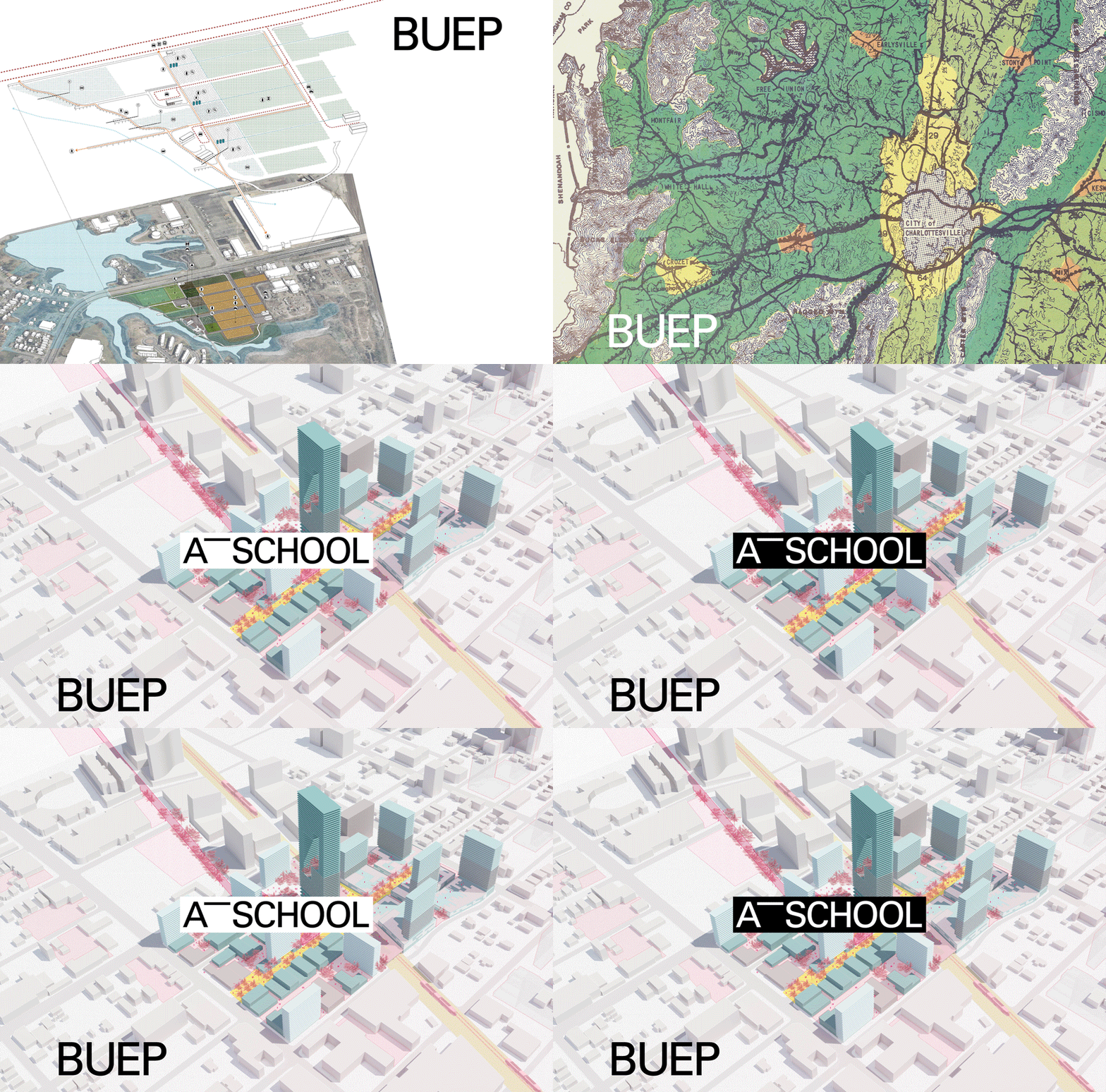
Undergraduate students entering the School of Architecture share a Common First Year Curriculum. Students take core courses in three School of Architecture departments: Architecture, Urban + Environmental Planning, and Architectural History to provide a framework for the study of contemporary culture through observation, analysis, and design. Students must pass each core course with a grade of C- or higher. During the spring semester of the first year, students choose an intended major: Bachelor of Architectural History, Bachelor of Science Architecture, or Bachelor of Urban and Environmental Planning.
Students must have a minimum of 122 credits with at least a 2.0 average in order to graduate with a Bachelor of Urban and Environmental Planning degree. A minimum of C- is required of all PLAN/PLAC and Language of Architecture courses. Students who wish to transfer to the program should consult with the Undergraduate Program Director before applying for transfer for the spring or fall semesters. If other prerequisites have been met, it is possible for transfer students to complete the required planning courses in two years.
Students who show exceptional promise in their major field of study and have the required 3.4 cumulative and major GPA may be eligible for admission to the Distinguished Majors Program (DMP) within their department.
The BUEP Distinguished Major provides students the opportunity to work more directly with a faculty member on an area of research that supports their long-term goals and strengthens their research skills. The Distinguished Major track does not add any additional credit hours, but would require that professional and open electives be directed to higher-level courses that support focused research. Eligible students can apply for admission to the Distinguished Majors Program (DMP) in the spring of their 2nd year, or their fourth semester.
In addition to the writing and acceptance of an undergraduate thesis, students will work with their faculty advisor to develop a communications plan for their work that includes academic journals, social media, and print media to expand the reach of their research and discovery. All students in the program will have access to workshops on expanding the impact of undergraduate research.
A minor in urban and environmental planning requires 15 credits of PLAN courses with a minimum grade of C-. Students may choose from among any PLAN or PLAC course, with no more than 6 credits at the 5000 level. PLAN courses taken as a completed Planning Minor do not count against the limit of credits college students can take outside the College.
Jointly listed courses PLAN/ARCH, PLAN/EVSC, PLAN/SARC, etc. also count toward the minor.
The pan-university minor in Public Humanities in Place will introduce undergraduate students to the importance of place and story in the shaping of the American imagination. As our national discourses become increasingly polarized, and our lives are more digital and disembodied, this minor offers undergraduate students an introduction to strategies that reground, repair, and renew communities and our imagination for localities, and the importance of the humanities in restoring the fabric of everyday life.
This minor is a 15-credit, 5-course program and is open to all undergraduate students at the University.
Bachelor of Urban & Environmental Planning students may consider pursuing the Master’s Degree through advanced standing.
The standard Master of Urban & Environmental Planning degree program is a two-year course of study oriented toward students coming from arts and science or design backgrounds. The graduate curriculum consists of core courses, specialized courses representing functional areas of planning, applied courses emphasizing the synthesis of planning analysis and values in specific settings, and a professional internship. Graduate students design a concentration in consultation with a faculty member.
ADMISSION
Admission to the Advanced Standing Program will be determined through the regular formal graduate admissions procedure. The program is intended for students with strong undergraduate records.
Prospective students may apply for the Advanced Standing Program after graduating from the University of Virginia BUEP Program.
Application details can be found at our Graduate Admissions webpage.
ADVANCED STANDING
The standard Master of Urban & Environmental Planning degree program is a two-year course of study oriented toward students coming from planning, arts and science or design backgrounds. The graduate curriculum consists of core courses, specialized courses representing functional areas of planning, applied courses emphasizing the synthesis of planning analysis and values in specific settings, and a professional internship. Graduate students design a concentration in consultation with a faculty mentor.
More details can be found at UVA's Graduate Record.
The graduate program in Urban + Environmental Planning at UVA is committed to fostering sustainability through collaborative planning and community engagement. Our emphasis on sustainability is founded on the idea that human settlement and wellbeing are inherently intertwined with ecologies and global environmental health. However, equity and justice are also central to our concept of sustainability, and we recognize the role of planning in fostering equitable cities and environments.
As a professional degree, MUEP students cultivate the theoretical insights, analytical skills, technical tools, and first-hand experience needed to become effective, ethical professionals who are prepared to lead.
Our students come from a wide variety of academic backgrounds including but not limited to the social sciences, engineering, design, and liberal arts. Planning is a broad profession with many opportunities to parlay your interests into a meaningful and successful career. To help you decide the best approach to your degree, your specialization, and your future career, we support each student through faculty mentorship in addition to regular student advising.
The Graduate Program in Urban and Environmental Planning is accredited by the Planning Accreditation Board, sponsored jointly by the American Institute of Certified Planners (AICP) and the Association of Collegiate Schools of Planning. Students graduating with an MUEP can attain their AICP certification after two years of planning employment.
INTERESTED IN OUR MUEP PROGRAM?
JOIN OUR CONTACT LIST
50 CREDITS
The Master of Urban + Environmental Planning is a 2-year graduate degree with a minimum of 50 credits.
Curricular Requirement for MUEP students starting in Fall 2024
Curricular Requirement for MUEP students starting in Fall 2023
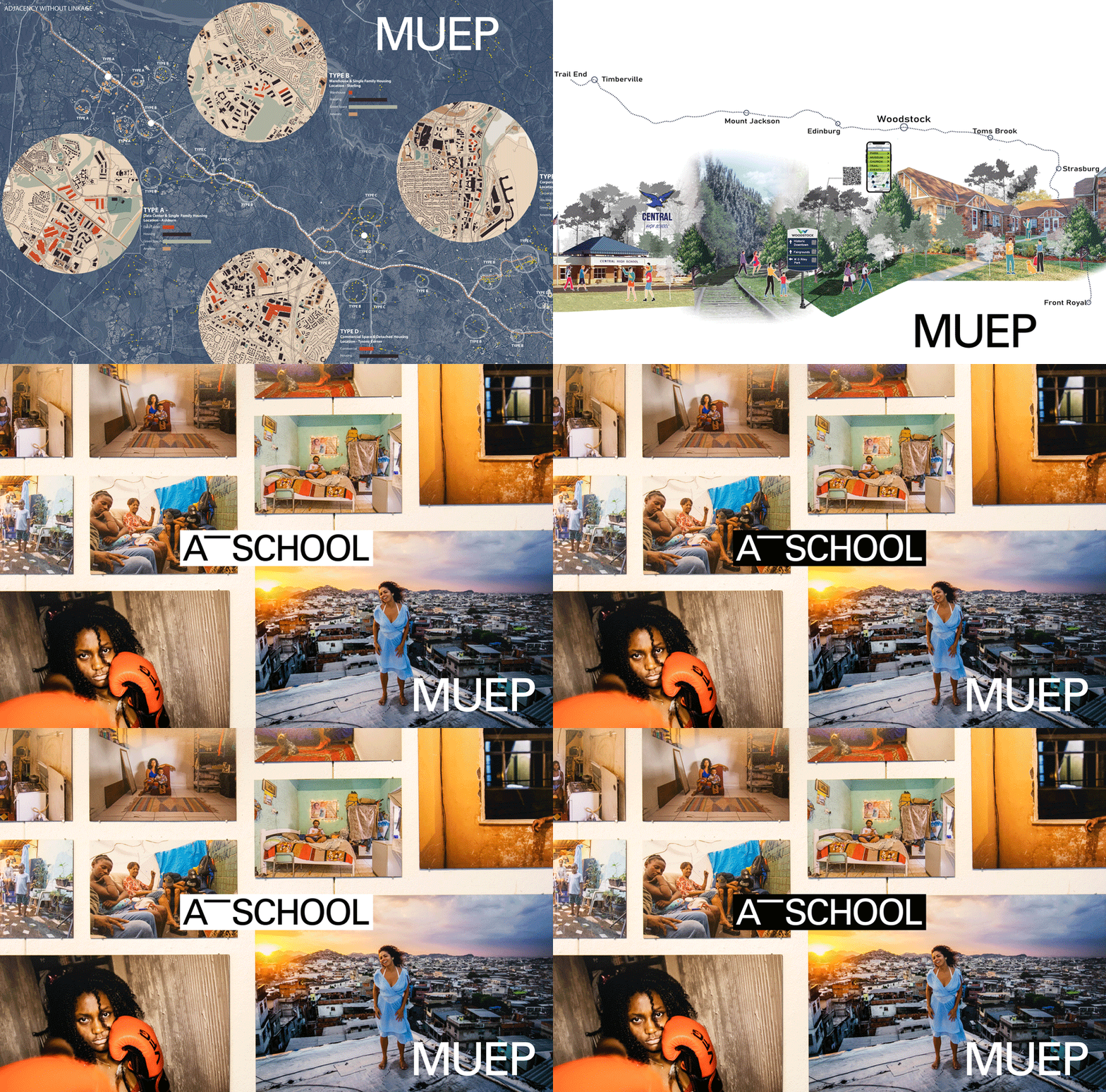
The degree requires 50 credits. The core courses ground students in the fundamentals of planning history and thought and provide the skills, methods, and experiences to be an effective planning leader. They include:
-
Communication and Planning Analytics
-
Sustainable Global Communities
-
Land Use and Environmental Law
-
Planning Theory and Practice
-
Quantitative Methods of Planning Analysis
-
Methods of Community Research and Engagement
-
Digital Technology for Planning and Design - GIS
-
Planning Capstone
Beyond the core, all MUEP students develop their own 15-credit concentration enabling deep focus in a specialty area of their choice. The concentration can take the form of either:
-
Established planning concentrations such as Environmental Planning/Sustainable Development, Transportation and Land Use, Planning Methods and Analytics, or Planning for Equity and Justice
-
Certificates in Urban Design, Historic Preservation, or Real Estate, all offered within the School of Architecture
-
A customized concentration developed by you in consultation with your faculty mentor, enabling you to hybridize among traditional concentrations or develop a focus that builds on your interests and faculty specializations such as Healthy Cities, Social Justice, or Smart Cities. (Visit our faculty members' web pages to learn more about the types of courses we offer and the research we are doing.)
PLAC (PLANNING APPLICATION COURSES)
The MUEP curriculum includes PLAC (Planning Application Courses). These courses combine theory and practice, emphasizing application through a project approach. The subject matter rotates within topical areas including: land use planning, housing, community development, environmental impact analysis, social planning, transportation planning, neighborhood analysis, and more. In addition to the core PLAC (i.e., PLAN 6090 - Planning Capstone), students should select at least one additional PLAC as part of their concentration.
INTERNSHIPS
As part of the requirement for the degree, our students also complete an internship. An internship is an approved assignment in an agency, firm, or organization engaged in planning activities and/or planning research. The internship is an integral part of the educational experience offering students professional experience and exposure to the diverse career opportunities afforded by a planning degree. Internship requirements can also be met through more concentrated externship experiences offered in the program. Internship experiences should total 320 hours, or about eight weeks at a minimum.
HISTORIC PRESERVATION GRADUATE CERTIFICATE
The interdisciplinary Program in Historic Preservation offers Master’s degree candidates in all of the School of Architecture’s disciplines (Architecture, Architectural History, Landscape Architecture and Urban and Environmental Planning) the opportunity to expand their professional studies through specialized training in the theory, practice and ethics of historic preservation.
URBAN DESIGN GRADUATE CERTIFICATE
The Urban Design Certificate program is open to graduate students in any department of the School of Architecture who want to pursue an interdisciplinary program that focuses on the critical questions raised by planetary urbanization, from urban and infrastructural development to social equity and resilience.
REAL ESTATE + DESIGN AND DEVELOPMENT CERTIFICATE
The Real Estate + Design and Development Certificate program is open to graduate students in any department of the School of Architecture. The program introduces students to the development process, a case-based examination of the role of design in successful real estate practices, the fundamentals of real estate finance and a final applied course/capstone studio.
MUEP-JD
The School of Law offers a dual-degree program with the Department of Urban + Environmental Planning at the UVA School of Architecture. Students may earn both the Juris Doctor (JD) and a Master of Urban + Environmental Planning (MUEP) in four years, instead of the typically required five years to pursue each degree separately.
MUEP-MPP
The UVA School of Architecture and the Frank Batten School of Leadership and Public Policy offer a dual degree which leads to the completion of the Master of Urban + Environmental Planning degree (MUEP) and the Master of Public Policy degree (MPP) in three years, instead of the four years that would be required to complete each degree separately. The program is administrated by faculty advisors from the School of Architecture and Batten School.
ADDITIONAL DUAL DEGREES
Dual degrees are available also between the Master of Urban + Environmental Planning and each of the graduate programs in the School of Architecture.
Bachelor of Urban & Environmental Planning students may consider pursuing the Master’s Degree through advanced standing.
The standard Master of Urban & Environmental Planning degree program is a two-year course of study oriented toward students coming from arts and science or design backgrounds. The graduate curriculum consists of core courses, specialized courses representing functional areas of planning, applied courses emphasizing the synthesis of planning analysis and values in specific settings, and a professional internship. Graduate students design a concentration in consultation with a faculty member.
ADMISSION
Admission to the Advanced Standing Program will be determined through the regular formal graduate admissions procedure. The program is intended for students with strong undergraduate records. Please refer to Graduate Admissions for details on how to apply.
Prospective students may apply for the Advanced Standing Program after graduating from the University of Virginia BUEP Program.
ADVANCED STANDING
The standard Master of Urban & Environmental Planning degree program is a two-year course of study oriented toward students coming from planning, arts and science or design backgrounds. The graduate curriculum consists of core courses, specialized courses representing functional areas of planning, applied courses emphasizing the synthesis of planning analysis and values in specific settings, and a professional internship. Graduate students design a concentration in consultation with a faculty mentor.
More details can be found at UVA's Graduate Record.